

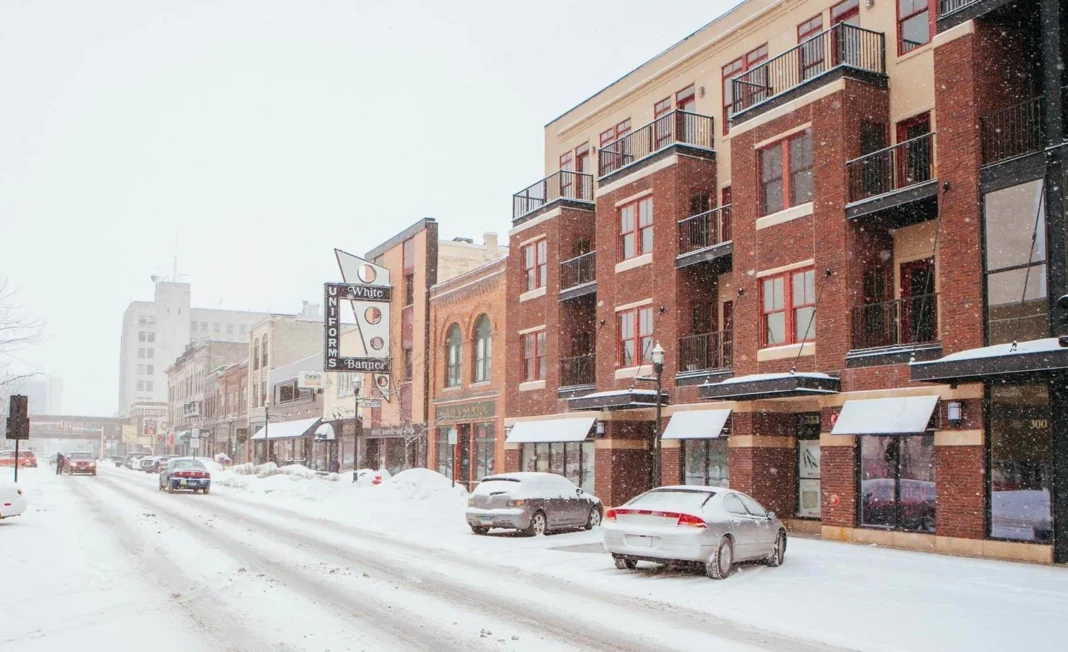
Winter weather, whether it’s freezing temps or a blackout blizzard, can wreak havoc on a property. However, by taking precautions, you can avert a calamity.
Here are four frequent sorts of winter-related house damage and how to prevent them, as well as how to use home insurance if you can’t.
1. Burst water pipes
If your kitchen faucet does not work on a cold winter morning, it could be due to a frozen water line. Frozen pipes can burst, causing water damage that is costly to restore.
Allowing your faucets to drip on the coldest days will help prevent burst pipes. Use sleeves or newspaper to cover pipes in areas with the coldest temperatures, such as basements and attics. If a pipe freezes, turn off the water immediately and use a hot pad or hair dryer to defrost the frozen water.
But don’t worry if a pipe explodes. “Almost all home insurance policies will cover the resulting damage from a burst pipe,” explains Steve Wilson, director of technical underwriting at Hippo Insurance. Once you’ve paid your deductible, your home insurance will cover you up to the limits of your policy. Your dwelling coverage will cover home repairs, whilst your personal property coverage will pay for damaged goods.
Keep in mind that in order for an unintentional water damage claim to be granted, homeowners must take precautions to reduce the likelihood of it occurring, such as keeping the home’s temperature at a minimum of 55 degrees during cold weather. If water damage occurs, homeowners must take steps to prevent future damage, such as turning off the water valve.
2. Ice dams on the roof
Snow melts and refreezes along the gutters or roof edges, forming an “ice dam” on the roof. When the ice melts again, water can seep beneath the roof shingles, causing mold and leaks. And while the icicles hanging from your roof may be attractive, a big icicle might rip off a gutter.
Your homeowners insurance would most certainly cover damage caused by ice dams, but taking extra precautions could completely avoid it. Seal any gaps where warm air could escape from your living spaces to ensure that your attic is adequately insulated. This keeps your roof chilly, preventing ice dams from developing.
Have an expert evaluate your roof to see whether solutions like heat cables and rubberized shingles will help prevent ice dams from forming in the first place. You should also maintain all gutters free of debris so that melting snow can flow correctly.
Do not climb up on your roof to scrape off snow. Doing so can harm the shingles and weaken your roof over time.
3. Fallen tree branches
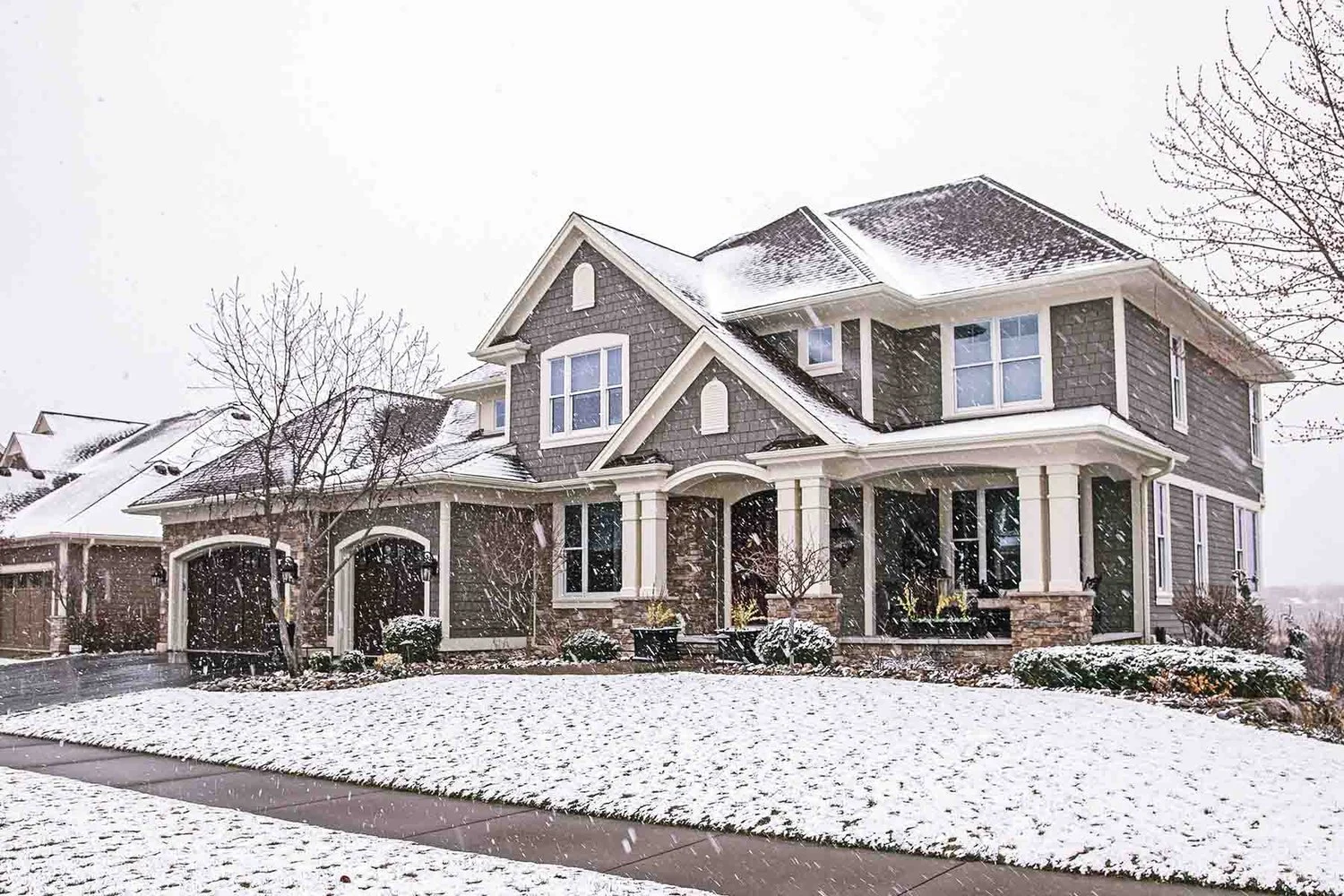
Large tree branches that stretch over a residence may provide a concern in the winter. The additional weight of ice can cause branches to snap and fall on homes or fences.
If an icy branch falls, your insurance policy’s dwelling coverage should cover the necessary repairs to the home, while your other structures coverage will cover items such as a broken fence or shed.
To completely avoid the problem, trim your trees on a regular basis. In fact, an insurer may deny a claim if it determines that the damage was caused by a lack of maintenance over time.
4. House fires
House fires are a significant source of winter insurance claims, as individuals utilize candles and fireplaces. These methods can help you avoid unexpected flames.
- If you lose power, use flashlights rather than candles and turn off any electrical appliances.
- Keep Christmas trees watered to prevent them from drying out and becoming fire hazards.
- Never use the cooking stove to heat your home.
- Keep portable heating devices at least 3 feet away from flammable materials and unplug them when sleeping.
- Place a glass or metal screen in front of your fireplace and have a professional chimney sweep clean it once a year.
Your house insurance will cover fire damage as long as it was not intentional. If you have to stay somewhere else due to smoke or rebuilding, your insurance policy’s loss of use coverage can assist pay for hotel bills and other living expenses. Keep any receipts in case your insurance requires proof of your expenses.
Know your insurance limits and exclusions
Consult with your insurance agent or company about what your homeowners policy does and does not cover so that you are prepared if disaster hits. You can also refer to your insurer’s house insurance declarations website for a list of what is covered, as well as the exclusions portion of your policy for what is not.
Another thing to check? Your personal property limitations. Certain valuables, such as jewels or antiques, may have lower restrictions than other belongings. If you have a lot of valuables, you could need more coverage.

