

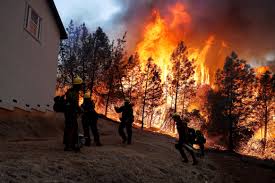
Extreme droughts and changing weather patterns have made wildfires the new normal in many parts of the United States, and homeowners must be prepared. While you don’t typically need additional wildfire insurance if you already have a homeowners or renters policy, it’s vital to understand your coverage.
Here’s what you should know about preparing yourself, your family, and your house for wildfires.
Does homeowners insurance cover wildfires?
Most conventional homeowners insurance policies cover wildfire-related damage, including smoke and ash. Here’s how several aspects of your policy might aid following a wildfire.
Dwelling coverage.
Dwelling coverage is the portion of your policy that covers damage to the structure of your home, such as the roof, flooring, attached decks, and built-in appliances. Because a fire has the potential to completely destroy your home, you should ensure that your dwelling coverage limit is sufficient to rebuild it. Otherwise, your insurance payout could fall short.
According to the Colorado Division of Insurance, up to two-thirds of the properties lost in the 2021 Marshall Fire may have been underinsured. That means the owners most likely did not receive enough compensation from their insurance companies to reconstruct their homes as they were before the fire.
To avoid this, consider adding one of the two forms of coverage listed below:
- Extended replacement cost coverage. Construction costs frequently climb following major disasters such as wildfires, so your rebuilding costs may exceed your insurance company’s estimate. Extended replacement cost coverage might help to offset the increase by providing additional coverage beyond your dwelling limit. Assume your home is insured for $300,000. Adding 25% of extended replacement cost coverage gives you up to $375,000 to rebuild your home if necessary.
- Guaranteed replacement cost coverage. Not all insurers provide this option, which can give you even greater peace of mind. Guaranteed replacement cost coverage will pay for the full cost of rebuilding your house, regardless of your dwelling coverage limit.
Keep your insurer informed if you make any substantial home improvements, like building an addition or replacing your kitchen with high-end appliances. You may need to increase your housing limit to ensure full coverage.
Other Structures Coverage
If a wildfire destroys your fence or shed, other structure coverage will pay for the repairs. The limit is commonly set to 10% of your housing coverage, although you can increase it if necessary.
Personal Property Coverage
Personal property coverage applies to all of your stuff, including furniture, clothing, gadgets, and other items. Your limit for this form of coverage should be large enough to replace everything you possess.
Inventorying your things is the easiest approach to determine the appropriate coverage amount—and to save time if you ever need to file a claim. Go around each area and take photos or videos of your belongings, including what’s inside your cupboards, closets, and drawers. There are various home inventory apps that can be useful.
It’s also crucial to understand how your coverage covers your items. If you have actual cash value coverage, your insurer will only pay for the value of your belongings at the time of damage or destruction. So, if you lose your 10-year-old sofa in a wildfire, the insurance company will reimburse the depreciated worth of the sofa. If you wish to receive enough money to buy a brand-new sofa of comparable quality, you should upgrade to replacement cost coverage.
Loss of Use Coverage
A homeowners policy often covers temporary living expenditures incurred while your property is being repaired or rebuilt due to wildfire damage. This coverage is referred to as increased living expenditures or loss of use coverage. It will cover expenses such as motels, restaurant bills, and even pet boarding fees in addition to your regular living costs.
You may be able to use this coverage if local authorities order you to evacuate due to wildfires, even if your property is not destroyed.
Loss of use coverage may be limited, typically as a percentage of the policy’s total dwelling coverage. Time constraints (such as 12 or 24 months) may also apply.
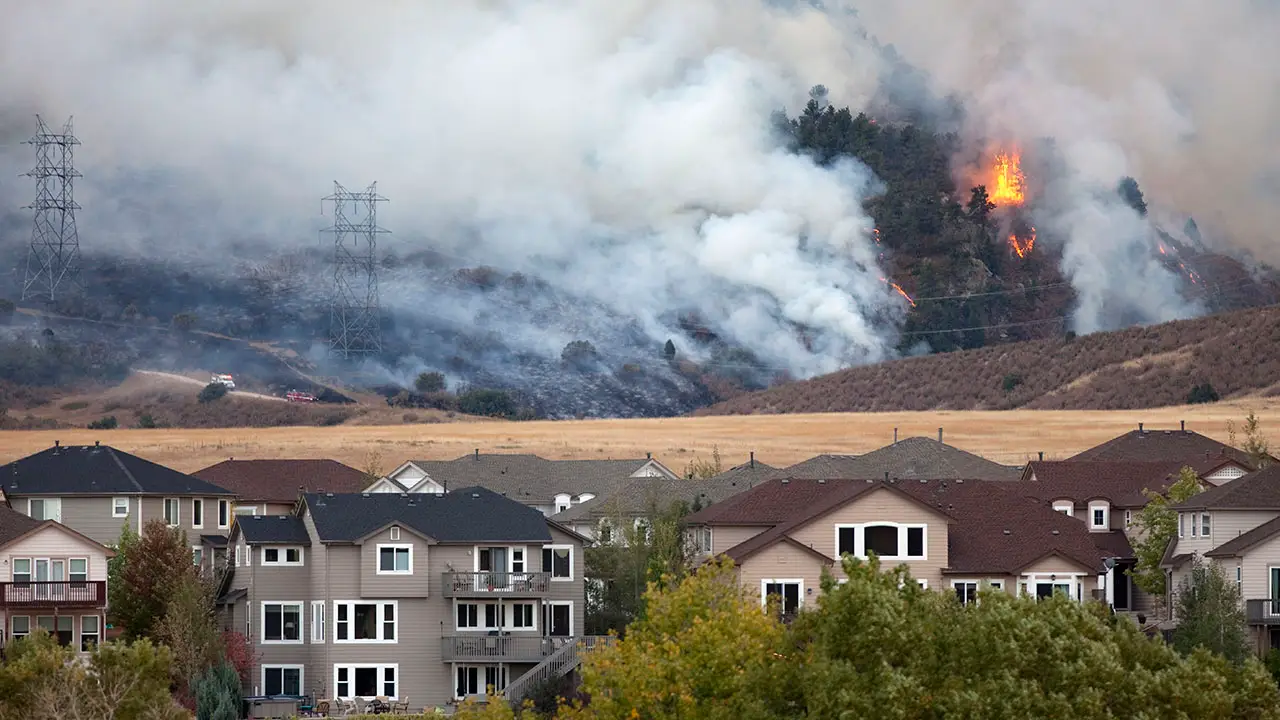
Do renters and condo insurance cover wildfires?
Most renters’ and condo insurance policies cover wildfire damage. Renters insurance provides personal property coverage for your things, as well as loss of use coverage if you need to relocate while your home is being repaired.
Condo insurance often covers both of these forms of coverage, as well as damage to your unit’s interior, such as built-in cupboards and hardwood floors.
What’s my wildfire risk?
You can use a variety of internet tools to assess your home’s wildfire danger. Begin by entering your address into FEMA’s National Risk Index map to determine your risk of wildfires, tornadoes, and earthquakes.
You can also visit RiskFactor.com, a website run by the nonprofit First Street Foundation. The site forecasts an individual property’s danger of fire, floods, and wind damage up to 30 years in advance.
Or visit WildfireRisk.org, a website run by the United States Forest Service. It provides information at the municipal or county level and makes recommendations for how you may safeguard yourself and your home.
Fire prevention services from insurers
Several homeowners insurers work with Wildfire Defense Systems, Chloeta, and other fire protection organizations to protect their clients’ houses. Their services could include:
- Personalized consultations to advise you on how to make your home fire-resistant.
- Clearing brush, debris, and other combustible materials from your property.
- Applying fire retardant gel to your property.
- Set up temporary sprinklers or a portable water supply.
These services are typically provided at no additional cost to policyholders. In certain states, the following insurers provide fire protection services as part of their homeowners policies:
- American family.
- Chubb.
- Cincinnati Insurance.
- Homesite.
- Pure.
- Safeco.
- USAA.
How to get home insurance if you live in a high-risk area
If you live in a wildfire-prone area, you may struggle to find an insurer willing to cover your property. An excellent first step is to call a local independent insurance agent who will shop around for you. They frequently have access to specialized insurers who are more ready to take on hazardous policies, generally at a greater cost.
You may obtain insurance through your state’s Fair Access to Insurance Requirements initiative. In most states, FAIR insurance provides coverage to homeowners who are unable to get a policy elsewhere. FAIR plans may be less comprehensive and more expensive than those available in the private sector.
In some situations, you will need to purchase supplemental insurance from a private insurer to ensure that your home is properly protected. For example, the California FAIR Plan solely addresses fire, lightning, smoke, and internal explosions. If you want coverage for theft or personal liability, you’ll need to purchase a separate “differences in conditions” insurance.
How much does wildfire insurance cost?
The cost of a homeowners, condo, or renters policy varies greatly based on where you reside, the size of your house, and the amount of coverage you require. You’ll pay more if you have a larger home or live in a region prone to wildfires. Your closeness to a fire station may also influence your rate. For a ballpark estimate of what you would pay, see:
- The average cost of homeowners insurance.
- The average renter’s insurance expense.
- The average condo insurance cost.
How to make a wildfire claim
If a wildfire strikes your home, file a claim with your insurance company as soon as it is safe. You may be able to do so online, over the phone, or using the insurance company’s mobile app.
Take photographs or videos to document the damage. To be reimbursed, your insurer may request that you create an inventory of all the belongings damaged in the fire. (Keep in mind that if you’ve already completed a house inventory, this process will be easier.)
Do not make any major repairs until your insurer’s claims adjuster has inspected the damage. However, take efforts to avoid future problems, such as covering a damaged roof with a tarp.
Once you begin replacing your lost items, retain your receipts to submit to the insurance provider. Depending on your policy, you may receive two distinct claim payouts for your belongings: one for the actual cash value of the things and another to cover the price difference when you submit your receipts.
You should also keep receipts for costs like hotel stays, restaurant meals, and rental unit payments. All of these may be eligible for reimbursement under your loss of use coverage.
How to protect yourself from wildfires
Here are some ways to help you keep your home and family safe from wildfires.
Create defensible space
To slow the spread of fires, leave at least 100 feet of defensible space around your property. To establish defensible space, use gravel instead of mulch for gardening, remove dead plants, and trim branches so trees do not touch.
Home fires can start from a variety of sources, including wildfire flames, heat from adjacent vegetation, and flying embers from wildfires kilometers away. To protect your property, consider these tips from the California Department of Forestry and Fire Protection.
- Cover the vent apertures with metal mesh.
- Remove all debris from your roof and gutters.
- Non Flammable materials are used to construct a box in the eaves.
Keep a fire extinguisher, a shovel, and a hose handy in case of a fire on your property.
Prevent wildfires
Human activity is responsible for the vast majority of wildfires in the United States. The Interior Department provides the following advice to lessen the risk of starting a fire:
- On a dry or windy day, avoid starting campfires, using pyrotechnics, burning debris, or engaging in any other fire-related activity.
- If you do light a campfire, choose an open location away from flammable vegetation. Make sure it’s fully extinguished and cold before you leave the location.
- Never drive or park on dry grass.
Have an emergency plan
Safety should be the first focus. The American Red Cross suggests that individuals keep informed about wildfires in their region and prepare an escape plan.
Make sure you have an emergency kit prepared with basics such as water, food, medication, and a backup battery for your phone.

