


Imagine you’re about to close on your ideal home when your lender requires proof of hazard insurance.
What are you doing? You knew you had to purchase homeowners insurance as part of the mortgage closing process, but what about hazard insurance?
Do not worry. If you have homeowner’s insurance, you are already insured.
What is hazard insurance?
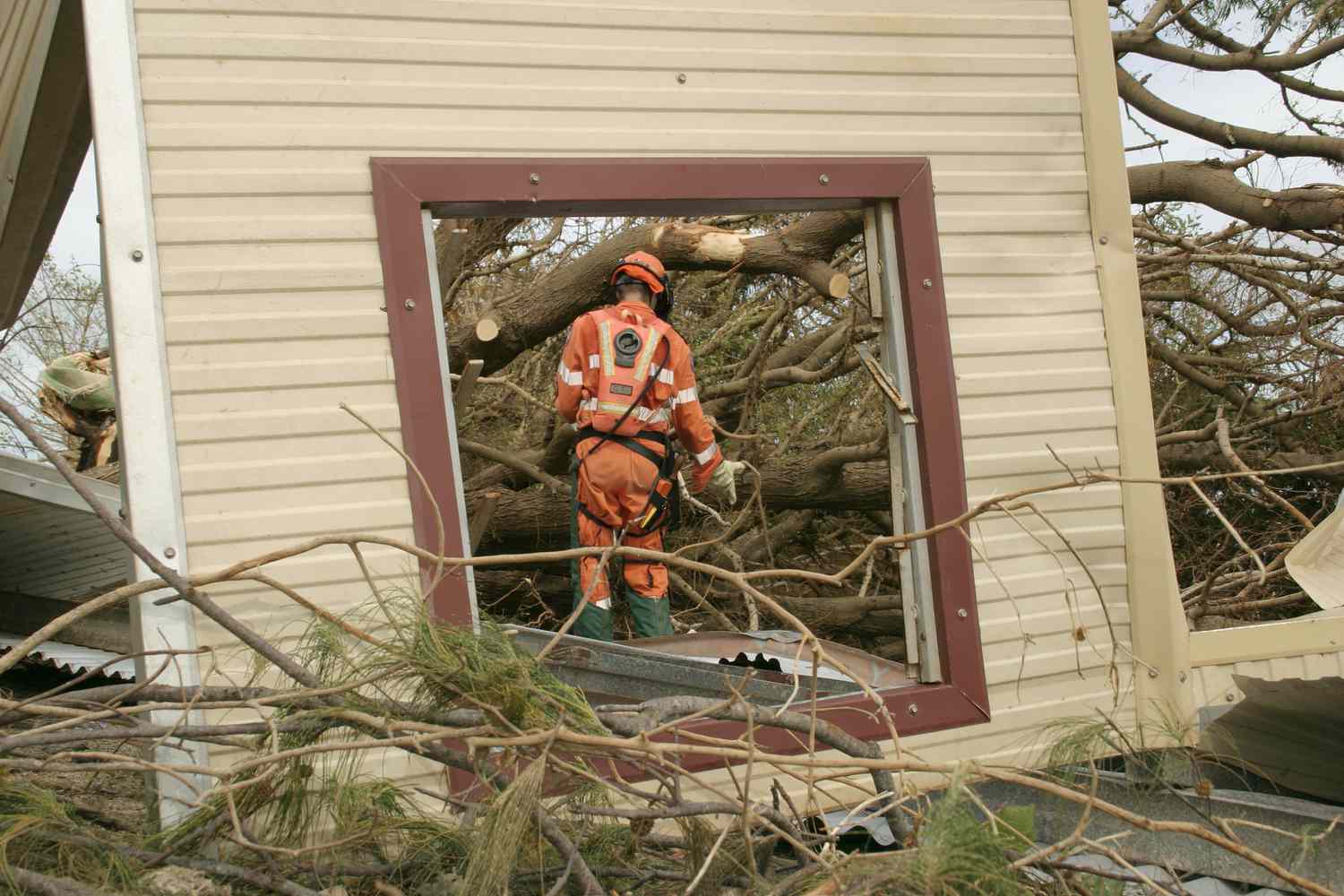
Hazard insurance is a type of homeowners insurance that covers physical damage to your home’s construction. It is possible to pay to restore or rebuild your home following a fire, hailstorm, or other calamity. In general, you cannot get this form of insurance on its own.
Mortgage lenders commonly use the word “hazard insurance” to refer to coverage for the building of your home. To protect their investment, they frequently need you to obtain a particular level of coverage before granting your mortgage.
Is hazard insurance the same as homeowners insurance?
Not precisely. Dwelling coverage, which is included in a homeowners policy, is also known as hazard insurance. Standard house insurance also includes coverage for your personal goods. If you have to move out during covered repairs, your homeowners insurance will cover the additional living expenditures.
Though the two types of coverage are not identical, acquiring a homeowners policy will typically meet your lender’s hazard insurance needs.
What does hazard insurance cover?
Hazard insurance covers damage to your house caused by fire, burst pipes, or severe snow. Most homeowner insurance covers the building of your home under “open perils” or “all risks” provisions. That implies your policy will cover any type of harm that is not specifically excluded.
For example, a conventional homeowners policy normally does not cover:
- Flooding caused by external sources, such as excessive rain.
- Earthquakes.
- Normal wear and tear.
- Sewer backup.
- War or nuclear action.
- Intentional damage by the homeowner.
Some of these dangers may be covered by your policy. Flood insurance, for example, is available from the federal government as well as various commercial carriers. (Depending on where you live, your lender may request it.) Many providers also allow you to buy coverage for sewage and drain backup at an additional expense.
Some homeowners have hazard insurance that only covers “named perils” for their home. These insurance only cover your home’s structure for certain mentioned events, such as:
- Fire or lightning.
- Windstorm or hail storm.
- Theft.
- Smoke.
- Vandalism.
- Power surges can cause sudden damage.
- Weight of ice, snow, or sleet.
- Falling things.
- Explosions.
- Riots.
- Volcanic eruptions.
- Water overflows or leaks from domestic systems such as plumbing, air conditioning, and appliances.
- Freezing the same household systems.
- A sudden tearing, cracking, or bulging of a hot water, steam, air conditioning, or fire-fighting system.
- Damage caused by vehicles or airplanes.
How hazard insurance works
If your home sustains damage that you believe your policy should cover, the first step is to make a claim with your insurance provider. Depending on your insurance, you may be able to do this over the phone or online. If you have images or video of the damage, include these, as well as as much information about what you lost.
Once the insurer confirms your claim, your payout is determined by the cost of repairing the damage, your dwelling coverage limit, and the amount of your deductible.
A homeowners insurance deductible is the portion of a claim that you are responsible for paying. Assume you have a $1,000 deductible and a rainstorm causes $5,000 in damage to your roof. Your insurance company would pay $4,000, and you would pay the remainder.
Your home policy may include two deductibles, one for most claims and one for specific risks, such as windstorms or designated hurricanes. For further information, see your homeowners insurance policy’s disclosures page.
How much hazard insurance do you need?
Hazard insurance protects your home up to a predetermined cash amount, or limit. In general, you should set a high enough limit to cover the entire cost of reconstructing your home if it is damaged.
Keep in mind that the “replacement cost” of your home isn’t always the same as the buying price. Instead, it is based on the expected cost of materials and labor required to restore the house to pre-disaster condition. Your insurer can assist you in estimating the appropriate amount.
For extra peace of mind, consider one of these supplementary forms of coverage:
- Extended replacement cost. When a storm or wildfire causes considerable damage in a certain area, local construction costs typically rise due to increased demand. If this happens, your replacement cost coverage may not be sufficient. Extended replacement cost coverage protects against such shortages. In the event that costs exceed expectations, you may be able to choose a sum that is 10% to 50% more than your coverage maximum.
- Guaranteed replacement cost. Going a step further, guaranteed replacement cost coverage pays the amount required above the dwelling coverage limit to reconstruct your house.
How much does hazard insurance cost?
Hazard insurance is included in your homeowners insurance coverage and does not cost you anything more if you already have a regular policy. The average annual cost of homeowners insurance in the United States is $1,915, according to the ReliableInsurance rate study. Your personal costs may vary based on where you reside, the size of your property, and the amount of coverage you require.
It will cost more to add coverage for calamities that a homeowners insurance does not generally cover, such as flooding or earthquakes.
How to get a hazard insurance policy
Most major insurers provide homeowner policies that incorporate hazard insurance. You can compare house insurance quotes online or have an independent insurance agent shop around for you. To get the best deal, compare quotes from at least three insurers.

