

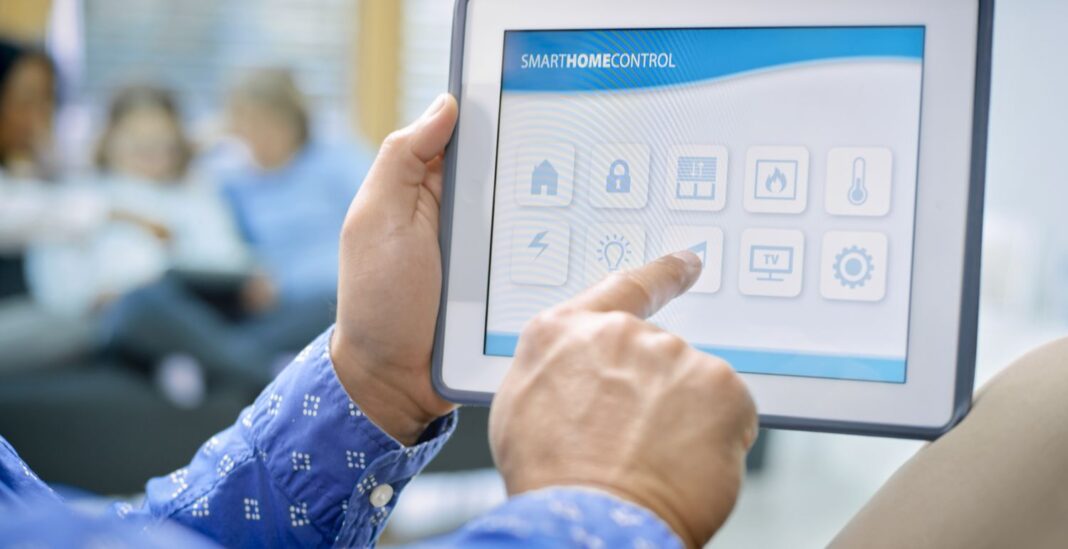
A smart thermostat may increase the temperature in your home before you get out of bed. A smart speaker can play your favorite podcasts using voice commands. A smart light bulb can be turned on and off from across the room.
But smart-home devices aren’t merely for convenience. Because some of them can help keep your house safe and secure, they may also qualify you for a discount on homeowners insurance.
Discounts for smart-home devices
ReliableInsurance reached more than a dozen insurance companies and discovered that several of them provide discounts to customers who use smart-home devices to avoid water damage, fire, or theft. Our investigation revealed that businesses advertise home insurance reductions of up to 20%, depending on the device and where you live.
Among the companies we examined, we observed discounts for a wide range of items, including
- Water leak sensors.
- Motion detectors, surveillance cameras, and burglar alarms.
- Fire or smoke alarms.
- Temperature monitoring systems.
- Monitor your home’s electrical network.
If you already have a smart-home device, ask your carrier if you qualify for a discount.
These savings are in addition to the homeowners insurance discounts that the companies will offer you after the devices are installed.
Keep in mind that, in some situations, you may be required to share device data with your insurer in order to receive a discount.
Here’s how a few major insurers handle smart-home gadget discounts.
Allstate
Allstate policyholders can save up to 5% by installing approved smart devices such as networked security cameras, water leak monitors, and door and window sensors. In some states, you may be able to save $20 on an annual service package from Canary, which manufactures security cameras.
Amica
Amica provides savings on a wide range of smart-home equipment, such as smart security cameras, temperature monitoring systems, leak detectors, fire alarms, and electrical fault monitors. Amica also gives discount vouchers for devices like Moen, Guardian, and Kangaroo.
Discounts vary according to the device(s) you own and where you live. In general, however, internet gadgets that are monitored by a third party will provide the biggest savings.
Chubb
Chubb, which insures high-value houses, provides discounts for water or gas leak detectors, temperature monitoring systems, permanently installed generators, and automatic valves that turn off gas lines in the event of an earthquake.
If you have a covered water damage claim, Chubb will reimburse you up to $5,000 for the installation of a water leak detection and control system, as well as up to $2,500 for the installation of a generator.
Cincinnati Insurance
Cincinnati Insurance policyholders can save 2% to 8% by adding automatic water shutoff devices, centrally monitored fire or burglar alarms, temperature sensors, or gas valves that turn off automatically in the event of an earthquake. The company works with water sensor providers to provide discounts on various smart-home gadgets.
Farmers
Farmers provide 5% to 20% savings on smart-home devices that safeguard against water leaks, fires, and theft. Professionally monitored devices typically receive larger savings.
Nationwide
Nationwide provides complimentary smart-home monitoring systems to policyholders in certain states. Exact savings vary depending on the gadget and where you reside, but the firm offers discounts to policyholders who have smart-home devices that help prevent theft, fire, or water leaks.
State Farm
State Farm policyholders in most states can get three years of free Ting service. Ting offers a plug-in that monitors your home for electrical problems that could result in a fire.
In some states, State Farm also works with ADT to provide a free smart-home security system as well as a discount on professional monitoring services. Signing up for the program and submitting your system usage data with State Farm will qualify you for a discount on your homeowners policy.
Travelers
Travelers provide discounts on fire alarms, security systems, water sensors, and shutoffs. Savings vary according to device and area.
USAA
USAA’s Connected Home program offers a discount for installing at least two smart-home water leak detectors from Roost or Resideo. To receive the discount, you must share the app’s usage statistics with USAA.

Why insurance companies reward smart-home devices
Insurance companies provide discounts for smart-home devices because the technology may detect problems early, thereby avoiding costly claims.
Assume you have a smart water sensor near your water heater, and the equipment springs a leak. The device may generate an audible alarm and send an alert to your phone, allowing you to take rapid action. (Some devices even include an automatic water shut-off option.)
Without the sensor, you may end up making a claim, paying a large deductible, and having to hire contractors to clean up the mess. But with the sensor, the damage could be so minor that you don’t need to file a claim at all.
Should you buy smart-home devices?
The expense of smart-home technologies might soon escalate. If you want to invest in a protective device but aren’t sure which ones are worth the money, Karen Collins, a vice president of the American Property Casualty Insurance Association, recommends considering your home’s specific dangers.
For example, if your home has ancient plumbing, Collins suggests investing in water sensors. However, if you live in a high-crime neighborhood, you might be better off investing in a home security system.
Inquire with your insurer whether the devices you’re contemplating might qualify you for a homeowners insurance discount. Depending on the size of the discount and the cost of the gadgets, they may pay for themselves in a few years.
Keep in mind that the benefits of smart-home technology may extend beyond insurance savings. Having smart-home devices can provide you peace of mind by alerting you before a minor problem escalates into a major one.

