

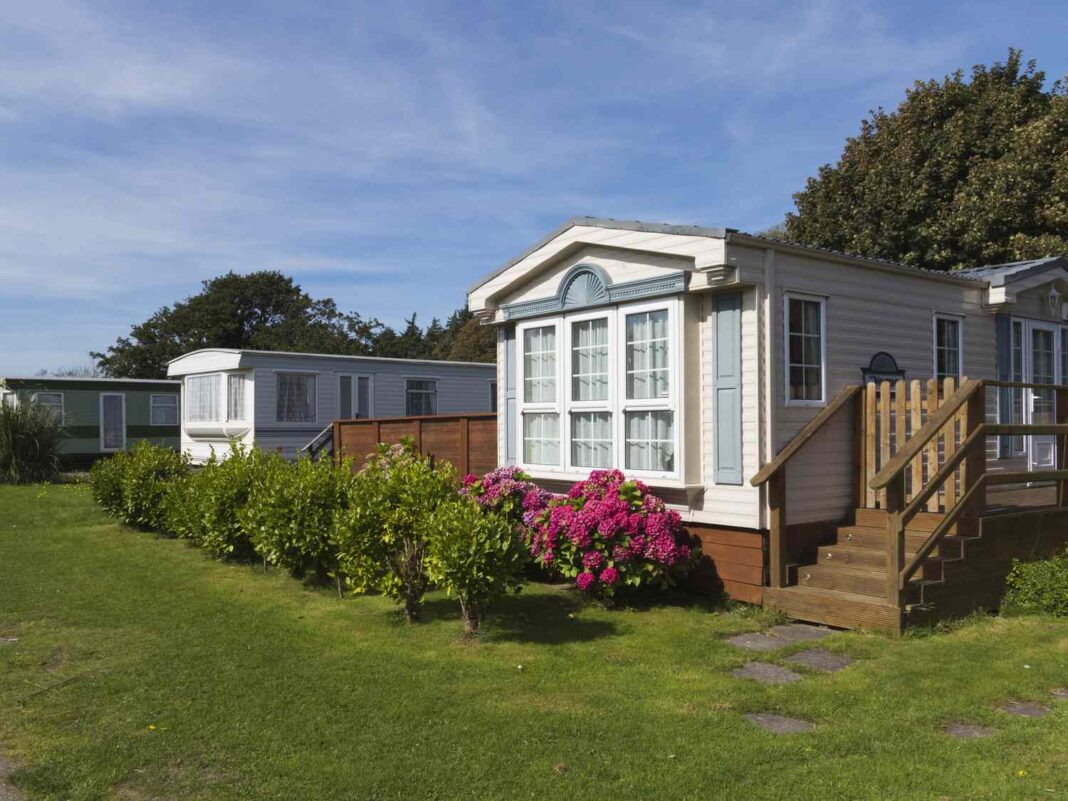
Manufactured and mobile homes are often excluded from regular homeowners insurance due to their unusual construction and susceptibility to specific weather conditions, such as windstorms. Instead, you should consider prefabricated or mobile home insurance.
Mobile, manufactured and modular homes: What’s the difference?
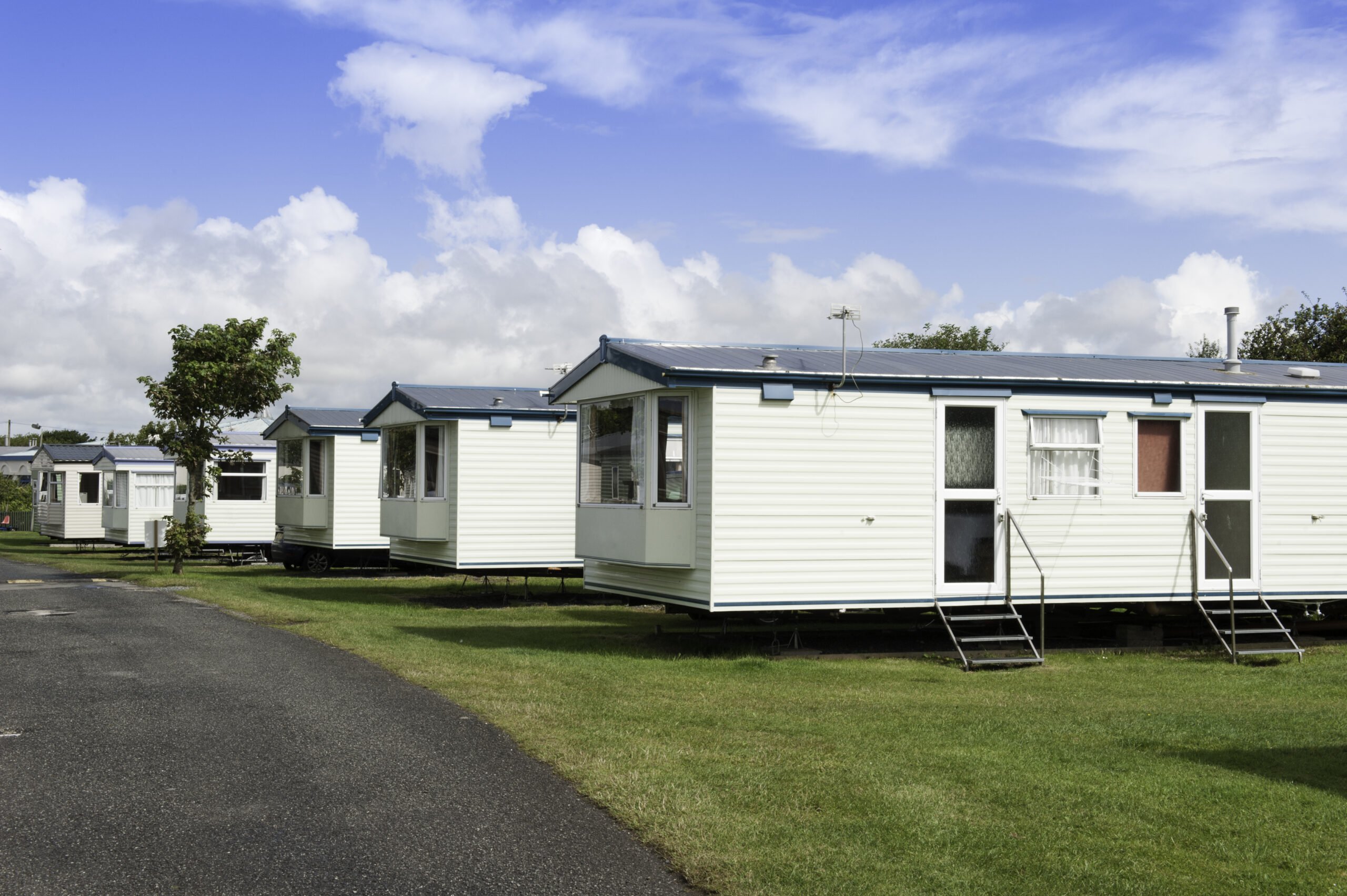
Mobile, manufactured and modular homes share one feature: they are created in factories rather than on construction sites. However, there are some significant variances.
Modular homes, for example, are built on the same foundation as traditional homes, as opposed to mobile and manufactured homes, which are built on moveable chassis. Furthermore, modular homes are subject to the same state and municipal building requirements as regular residences, whereas mobile and manufactured homes must meet federal building standards.
The insurance policies may also be varied. Some firms cover modular homes with normal homeowners policies rather than manufactured home insurance.
Meanwhile, according to the United States Department of Housing and Urban Development, “mobile” and “manufactured” homes have distinct meanings, although being frequently used interchangeably. Mobile homes were built before 1976, when a new federal law required tougher safety criteria for their construction. These buildings were then referred to as manufactured homes.
What mobile home insurance covers
A regular mobile home insurance policy typically includes the following coverage.
Dwelling coverage
Dwelling coverage pays to repair or replace the structure of your mobile home if it is damaged by an incident covered by your policy, up to a certain level. (A deductible may apply). Manufactured home policies typically cover situations like:
- Fire and lightning.
- Explosions.
- Vandalism.
- Falling things.
- Wind and hailstorm.
- Weight of ice and snow.
- Burst pipes.
When deciding on a limit for this aspect of your policy, choose a sum that is sufficient to replace your mobile home if it is damaged. Consider purchasing extended replacement coverage to provide a cushion in case the cost of rebuilding exceeds your expectations.
Other Structures Coverage
Other structures coverage pays to repair a fence, shed, or other structure that is not related to your home if it is damaged as a result of an insured incident.
Personal Property Coverage
Personal property coverage pays for the repair or replacement of damaged or stolen furniture, electronics, and other valuables.
A conventional mobile home coverage will usually cover your belongings on an “actual cash value” basis. That means it will pay the estimated value of your belongings at the time of the claim, minus the deductible. To receive enough to purchase new products, consider upgrading to replacement cost coverage.
Taking a home inventory is the most effective technique to determine the value of your belongings and the amount of personal property coverage required.
Liability Insurance
Personal liability insurance compensates if a visitor is injured and sues you, or if you accidentally cause property damage or injury to others. It may also pay associated legal fees.
Don’t know how much liability insurance you need? Consider getting enough to cover your net worth.
Additional coverage
Depending on the insurance company, your policy may contain additional coverage, such as:
- Additional living expenses to cover the cost of a hotel stay if a fire or storm renders your home temporarily uninhabitable.
- Trip collision coverage will repair your mobile home if it is damaged while being moved between places.
What’s not covered
Your coverage has limitations, just like any other insurance policy.
Flooding. In general, manufactured house insurance does not cover flood damage. If you reside in an at-risk location, consider purchasing separate flood insurance.
Earthquakes. Similarly, if your property is in a seismically active area, you’ll most certainly require separate earthquake coverage. Home insurance coverage often excludes “earth movement.”
Wear and tear. Insurance covers unexpected, unintentional damage, not routine maintenance.
Insect or animal infestations. Pest prevention is considered routine maintenance by insurers.
Damage caused by the usage of your house for business reasons. A commercial policy may be required for this type of coverage.
How much is mobile home insurance?
American Modern Insurance Group reports that the average annual cost of mobile home insurance is between $750 and $1,600. Foremost, another manufactured home insurance, estimates that its average annual cost is around $1,178.
A variety of factors can influence your rates, including:
- Where you live.
- The age of your house.
- The expense of replacing your home.
- The limits and coverage options you select.
- Your deductible.
- Your claim history.
Many businesses provide discounts on mobile home insurance. For example, you may be eligible for a bundling discount if you purchase mobile home insurance in conjunction with another policy, such as vehicle insurance.
Many insurers provide discounts for having a home security system, smoke detectors, or other safety devices.
Manufactured and mobile home insurance companies
Not all insurers provide mobile home insurance, but the following companies do, either directly or through a third-party affiliate. An independent agent may be able to direct you to additional options in your region.
Allstate
Allstate provides standard coverage for your manufactured home and valuables, as well as several options for customizing your insurance. Extra coverage is offered for valuables, sports equipment, and trees and bushes. If you are the original owner of your house, you can save up to 5% on your annual insurance price. Over-55s and retirees can receive a discount of up to 10%.
American Family
When you add “diminishing deductible” coverage to an American Family mobile home policy, your chosen deductible is automatically reduced by $100. It will continue to reduce by $100 per year if you do not file a claim, up to $500. Other add-ons cover home system failures or water damage caused by hidden leaks.
American Modern
American Modern has concentrated on mobile homes since its inception in 1949. The company provides optional coverage for expenses related to the failure of an HVAC system, big appliances, or gadgets. You can also get identity theft insurance or disaster coverage.
Farmers
Farmers manufactured home insurance policies can be customized to include coverage for earthquakes and floods. If you bundle your mobile home coverage with another Farmers product, such as car, life, or umbrella insurance, you will receive a discount.
Foremost
Foremost, which is now a subsidiary of Farmers, was created to insure mobile homes. It provides coverage alternatives such as identity fraud protection, trip coverage while relocating, earthquake coverage, and valuables insurance. If you are an AARP member searching for mobile home insurance, Foremost is the third-party firm that can supply it through your membership.
Geico
Geico does not provide mobile or manufactured home policies directly, but rather works with third-party providers such as Assurant, Foremost, and American Modern. If you need to file a claim or adjust your coverage, contact the partner directly, not Geico. A regular insurance can be expanded to include coverage for jewelry, sports equipment, and musical instruments.
Progressive
Progressive, like Geico, partners with third parties to provide mobile home insurance in most states. That implies you’ll most likely need to contact the third party to modify your policy or file a claim. Replacement cost coverage is an optional add-on that ensures you may purchase a new mobile home if your existing one is destroyed. You can also add trip collision coverage to protect against damage during a transfer.
State Farm
State Farm has various methods to save on manufactured home insurance, including discounts for security systems like burglar and smoke alarms. You may also be able to save money based on how long you’ve been insured with State Farm or the age of your manufactured home. Add-on choices include identity theft protection and replacement cost coverage for your home and valuables, allowing you to purchase new items if yours are destroyed.
USAA
USAA, which primarily serves active military personnel, veterans, and their families, has partnered with Foremost to provide coverage for mobile, prefabricated, and compact homes. People who own modular homes should apply for the normal USAA homeowners coverage.
How to find the best mobile home insurance
Don’t simply select the cheapest manufactured home coverage and call it a day. Here are a few things to consider while comparing prices from various insurers.
Coverage options
Begin by reviewing the coverage boundaries on each quote. Does the least priced choice provide the least amount of coverage? In the event of a disaster, you may find yourself underinsured. Does one provider provide actual cash value coverage, but another will pay enough to replace your home and valuables with brand new ones? The latter may provide better value, even if it costs a little more.
You can also see what types of optional coverage are available. For example, if you want to add equipment breakdown insurance but one firm does not provide it, you should check into other options.
Deductibles
A deductible is the amount you must pay for a claim. The larger the deductible, the less expensive your policy will be, but you will have to pay more in an emergency. Avoid selecting a deductible that you will have difficulty paying.
Depending on where you live, your deductibles may fluctuate for different types of claims. In hurricane-prone states, for example, you may be required to pay a greater wind or hurricane deductible than you would for other types of claims. Make sure you’re okay with these amounts.
Company strength and customer service
You don’t want to find out after a natural disaster that your insurance provider provides poor customer service or is unable to pay claims. Read reviews of each insurer you’re considering to get a feel of how long they’ve been in business and how well they handle their clients.

