


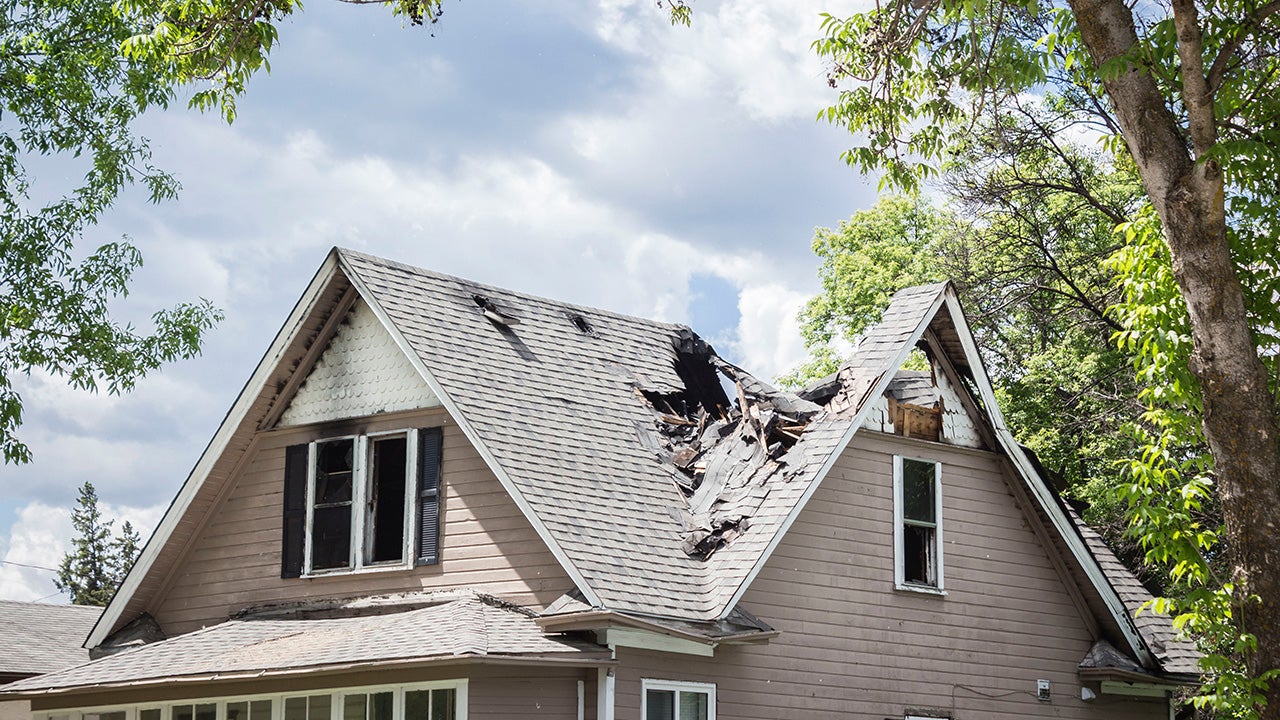
Imagine a tornado tearing through your neighborhood, ripping off a portion of your roof and rendering your home uninhabitable. Not only will your insurance most likely repay you for the damage, but it may also cover the cost of temporary housing while repairs are being completed. This section of your house insurance policy is called loss of use coverage.
What is loss of use coverage?
Loss of use coverage provides financial assistance if you are unable to dwell in your home due to a covered reason. Most homeowners, renters, condo, and mobile home policies have this provision. It normally consists of three parts:
Additional living expenses.
Additional living expenses coverage pays for hotel stays and other expenditures if your house is rendered uninhabitable due to a covered event, such as a fire. Depending on your policy limits, this coverage may pay until your house is completely repaired or you permanently relocate.
Fair rental value
Damage to your property may have an impact on more than just you and your family. If you rent out a portion of your space, your renter may have to vacate during repairs, which could result in reduced rental income for you. Loss of use insurance can help you reclaim that money.
Prohibited Use
Loss of use coverage might be beneficial if your home is inaccessible, even if it is not physically damaged. For example, it may pay for a hotel if police have closed off your street owing to downed power lines, or if your city refuses to allow evacuees to return after a hurricane until the greatest local wind damage has been repaired.
For this coverage to apply, nearby residences must be damaged as a result of a cause covered by your insurance. Assume your area is rendered inaccessible as a result of earthquake damage, but your policy does not cover earthquakes. In this situation, your loss-of-use coverage would not apply.
What does loss of use cover?
Loss of use insurance typically covers:
- Hotel stays.
- Rent an apartment or a house.
- Restaurant meals.
- Groceries.
- Pet boarding.
- Transportation or parking costs.
- Laundry expenses.
- Moving and storage expenses.
Keep in mind that loss of use insurance covers expenses that exceed your typical cost of living. Assume you regularly spend $100 per week on groceries, but you dine out more frequently while staying at a hotel. If your overall food costs go to $300 per week, your insurer will reimburse the additional $200.
Keep all of your receipts, as insurance companies frequently compensate you after the event rather than paying up front.
What’s not covered
Loss of use coverage pays out only if your policy covers the reason you’re living elsewhere.
Flood damage, for example, is typically excluded from homeowners and renters insurance policies. So, if your first floor is under 3 inches of water and you don’t have flood insurance, your carrier will not pay for you to stay somewhere.
Similarly, if you’re renting an apartment while remodeling your kitchen, your insurance provider will not pay for the extra living expenditures because your coverage does not cover home modifications.
Loss of use will not cover existing expenses, such as your mortgage. It will also not pay for anything covered by other aspects of your policy, such as property damage or a lawsuit filed against you.
Loss of use coverage limits
The amount of additional living expenses coverage you have is generally determined by limits in other aspects of your policy. The loss of use coverage amount on a homeowners policy is typically set to a percentage of your dwelling coverage maximum, such as 20%. So, if the structure of your home is insured for $300,000, your loss of use limit is $60,000.
If you rent or own a condo, the loss of usage limit may be connected to your personal property limit.
Some insurers limit the amount of time you may rely on loss of use coverage. Depending on your coverage, additional living expenses may only be reimbursed for 12 or 24 months.
How to file a loss of use claim
File promptly. The sooner you submit your claim, the sooner it will be settled and you can begin your rehabilitation. Keep in mind that if your claim is related to a large calamity, such as a hurricane or wildfire, your insurance company may get a flood of claim submissions. In some circumstances, submitting your claim ahead of the crowd may result in a faster settlement.
Many businesses enable you to file a claim online or through their app, while others require you to call.
Keep all receipts. Some businesses may provide you a partial advance on your additional living expenditures in the aftermath of a disaster. Others will repay you after the fact. In any case, you must keep track of your expenses while living away from home.
Include receipts for even little purchases like gas or public transportation. If you are spending more money on commuting because your hotel is farther away from work than your home, you may be eligible for reimbursement.
Record your normal living expenses. Because loss of use insurance is intended to cover additional living expenditures, your insurer may want a list of your typical living expenses to serve as a baseline. Prepare to estimate your normal spending on food, utilities, transportation, and housing (such as rent or mortgage).

