

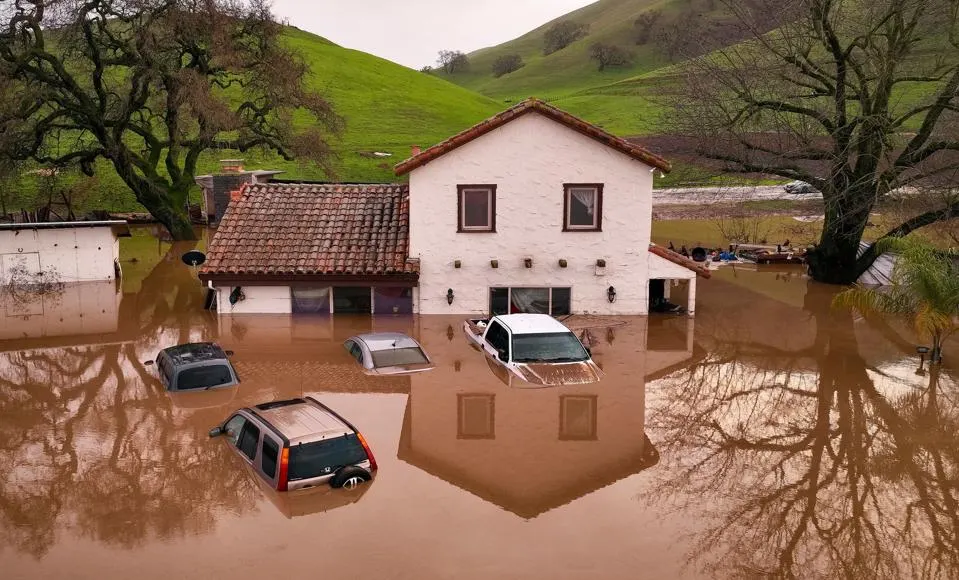
Natural disasters are one of the leading causes of raising home insurance premiums, quite substantial ones for homeowners. People thinking about How Natural Disasters Affect Home Insurance Rates premiums should do so in all areas prone to hurricanes, wildfires, earthquakes, or floods. Whether you are a first-time buyer or simply reviewing the state of your policy, it is important that you understand how your location and the risks associated with natural disasters can come to affect the amount you pay for home insurance.
What Natural Disasters Affect Home Insurance ?
Natural disasters are extreme and unexpected phenomena, including hurricanes and tornadoes, floods and earthquakes, and fires in forests, which have caused damages to homes. When coming up with a premium due for home insurance, insurance companies weight to what extent such events can harm your home. The more likely a disaster is to affect your home, the more your home insurance could be.
For example, if you live in an area where hurricanes are more common than not, say, Florida or near the Gulf Coast, your house probably has higher insurance because of that additional risk of damage from wind and water. Likewise, anyone living in California, where fires occur more often, should expect to pay a little more in premiums with home insurance policies that take into consideration the risk of fire-related damage.
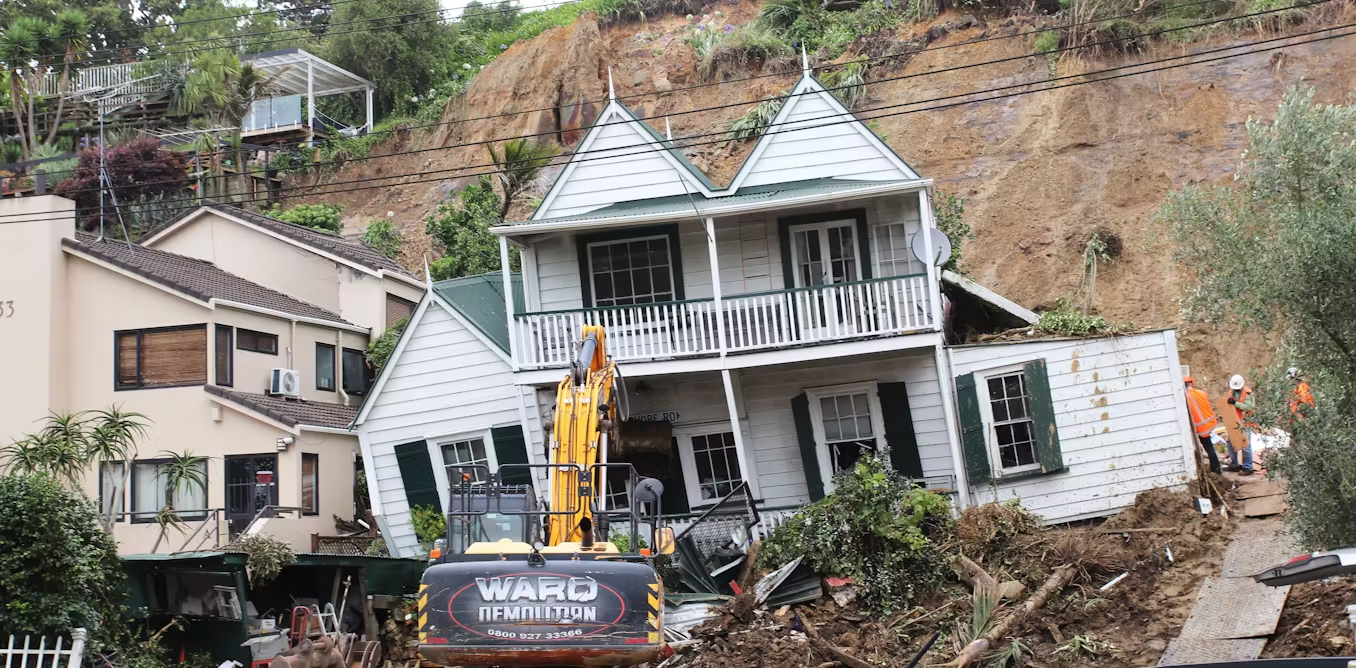
How Natural Calamities Raise Home Insurance Charges :
1.Risk Assessment and Geographical Location Home insurance :
recognizes the geographical location of your property. Natural disaster activity is typical in your region; insurance companies will come to know how risky your house is. A house in an area vulnerable to hurricanes, tornadoes, or earthquakes would pay extra for homeowners insurance. Even if your house has never suffered damage, just the fact of being in a risk area pushes your premiums higher.
2. Types of Natural Calamity
There are different types of natural calamities with varying influences on insurance premiums, for example:
o Hurricanes and Floods: It is true that for most coastal areas—and the areas where larger bodies of water are found—the greatest premium increases for home insurance result from threatening hurricanes and flooding.
Flood insurance might also be required separately since most standardized home insurance policies don’t cover flood damage.
o Wildfires: Even in places like California and parts of the Pacific Northwest, wildfires will always be a danger. With wildfires cropping more frequently, homeowners may find themselves faced with skyrocketing home insurance rates.
o Earthquakes: More than likely, areas that are earthquake-endangered, especially in California, will also have higher premiums. Most homeowners living in such areas will have to purchase additional earthquake coverage since the standard home insurance plan does not include it.
o Tornadoes and Severe Storms: Areas that are part of “Tornado Alley” or have a lot of severe storms, such as parts of the Midwest, are at risk for much more wind and hail damage, affecting insurance rates.
3.The frequency and severity of the natural calamities :
increase because insurance providers tend to be more stringent. Because the number of hurricanes or their intensity in a region has multiplied and multiplied in the past, insurance companies will measure it in a model. Increases in claims costs also stem from weather-related damage becoming more frequent, thus causing insurance companies to drive premiums higher on homeowners.
4. The Risk of the Insurance Company and Its Costs of Doing Business :
As a result, they will raise their rates to continue making profits. Because a company is inundated with claims, due to an instant natural disaster, home insurance rates will rise for anyone residing in that area, whether or not he suffers any damage himself.
5. Governmental Interventions and Policy Changes In other cases :
such interventions by the government concerning disaster relief funds or changes in zoning laws may result in higher premiums. If any disaster relief funds are available, insurance companies may evaluate the cost-effectiveness of insuring homes in some locations, which may cause the premium changes.
How to Reduce Home Insurance Premiums in Disaster-Prone Areas
While you can’t really change the natural disaster risks of your area, you can take some steps in your home that might help lower your rates:
1.Fortify Your Home :
- If you live in a coastal area, install hurricane shutters.
- Retrofit your house to be earthquake-resistant if you live in an area that gets earthquakes frequently.
- Use fire-resistant materials if you live in an area prone to wildfires.
2.Increase Your Deductible :
Your home insurance premiums will decrease by raising your deductible. You’ll also have to pay out-of-pocket for more of the damages, so be sure you’re able to handle that increased deductible if disaster strikes.
3.Combine Policies :
Most of the companies that offer insurance discount their services when you bundle home and auto insurance. Therefore, if your insurance provider covers different policies, you stand a chance of saving a couple of dollars on your premiums.
4.Compare Quotes :
There are major differences when it comes to home insurance rates based on the provider. So, check for quotes from multiple companies to get the best company for your needs.
5.Add Consideration for More Coverage:
Areas like flood zones or those that are prone to wildfires may require more coverage for complete protection. Although certain additional policies like flood insurance or earthquake coverage will increase premiums, in most cases, this insurance allows for comprehensive protection.
Conclusion :
For homeowners-especially those settling in disaster-prone regions-understanding how natural disasters can affect home insurance rates is paramount. Natural disasters-hurricanes, wildfires, floods, or earthquakes-can inflate premiums to a higher extent; however, reinforcing your home, increasing your deductible, and shopping around for coverage may offset some of these costs. When you know the risks in your locality and go on to protect your property, you can rest assured that the home insurance will cover your property well at an affordable premium.
Final Tips :
If you live in an area at risk of disasters, don’t hold off until the next large storm, wildfire, or earthquake arrives. Reassess your home insurance coverage periodically, and stay current on disaster risks in your area. A proactive approach will save you cash and hassle when things go wrong.

