

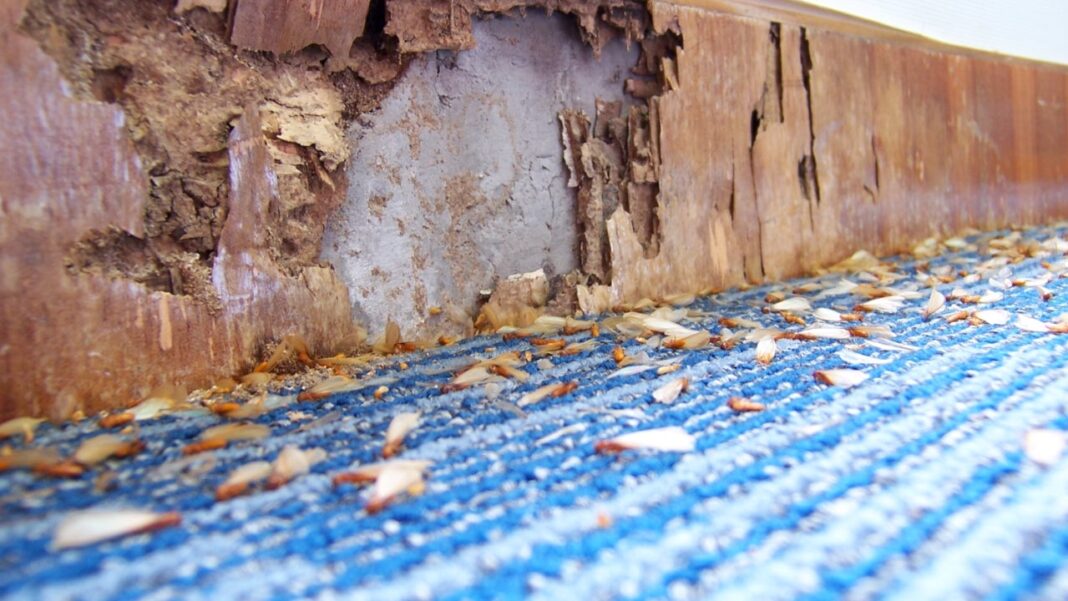
Termite damage can cost homeowners thousands of dollars, and home insurance does not usually cover it. Here’s why home insurance does not cover termite damage and how to safeguard your home from this wood-eating bug.
Does homeowners insurance cover termite damage?
Termite damage is often not covered by home insurance policies. This is because insurers view termite damage to be preventable, rather than a sudden, unplanned occurrence like a fire or storm. It is the homeowner’s responsibility to keep up with maintenance and deal with termite infestations right away.
Termite damage develops over time when termites chew away at the wood in your home. The damage caused by termites can cost households an average of $3,000 to restore. Termite infestations must be dealt with as soon as possible to avoid extensive damage. Most insurers do not cover harm caused by a lack of maintenance.
When does home insurance cover termite damage?
Most homeowner policies specifically exclude termites and other infestations. However, in exceptional situations, homeowners insurance may cover termite damage. Let’s consider two scenarios:
House fire
Assume termites chew into your electrical wire and cause a house fire. Home insurance nearly typically covers accidental fires, so you may be covered even if termites caused the fire.
Abrupt roof collapse due to hidden termite damage
Suppose your roof suddenly caves in owing to termite damage. If you can show that the damage was hidden and not visible from the outside, your insurance provider may cover it. However, if termite damage existed prior to the collapse and was not addressed, the damage would not be covered.
Home insurance policies are extremely specific about what they cover and exclude. If your policy does not specifically include termite damage, assume it is not covered.
How to identify termite damage
Termites can do considerable damage to your home’s foundation, ceilings, and walls. Termites prefer to devour cellulose, a form of plant fiber found in wood. As they consume cellulose, they form tunnels through wooden buildings.
To determine whether you have termite damage, search for the following signs:
- Mud tubes. These are small, tube-shaped constructions fashioned from soil and wood. They are commonly seen around walls or foundations.
- Swollen floors. Floors infested with termites may appear swollen or twisted, and they may feel bouncy when walked on.
- Hollow-sounding wood. Tap on wooden surfaces to determine if they sound hollow; this could suggest termite tunnels.
- Cracks and holes. Check for tiny cracks and holes in the wood and structure of your home, which could indicate termite activity.
Types of termites
Three different varieties of termites can inflict significant damage to your property. Here’s how to identify the many varieties.
- Drywood termites feed on dry wood and can be found in furniture, flooring, and walls.
- Dampwood termites enjoy moist wood and can be found in high humidity environments such as basements and crawl spaces.
- Subterranean termites reside in the soil and use mud tubes to reach above-ground timber.
How to prevent termite damage
Because home insurance does not cover termite damage, adopting precautions is critical to lowering your out-of-pocket expenses. These suggestions can help you avoid termite damage.
- Maintain clean gutters and drain water away from your home’s foundation to minimize damp conditions that termites thrive in.
- To avoid attracting dampwood and subterranean termites, fix any leaky faucets and water damage as soon as possible.
- Regularly inspect wooden areas for signs of infestation, such as termite tunnels or swollen wood.
- To reduce the chance of termite infestation, keep plants and firewood away from your home.
- Use gravel or shells instead of wood mulches.
- Seal cracks in your home’s foundation and walls to prevent termite entry.
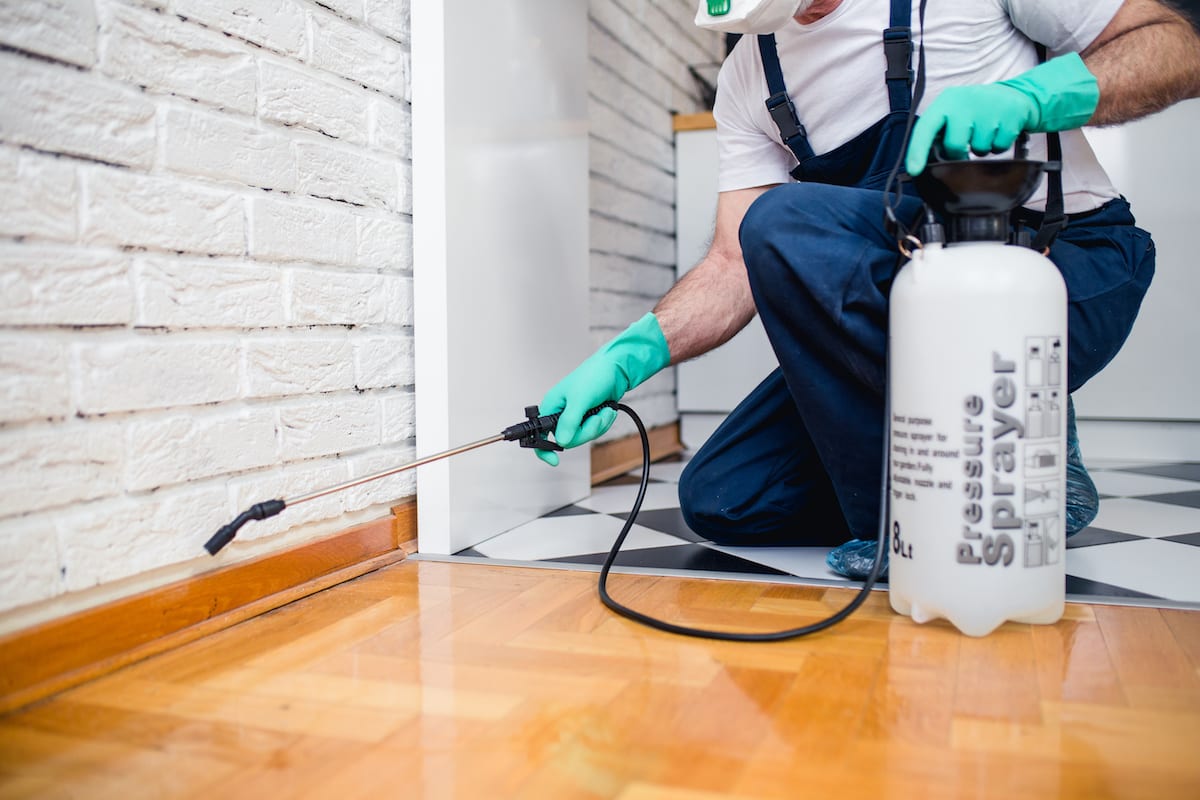
Schedule an annual inspection with a qualified pest control firm to catch any termite activity before it becomes a major problem.

