

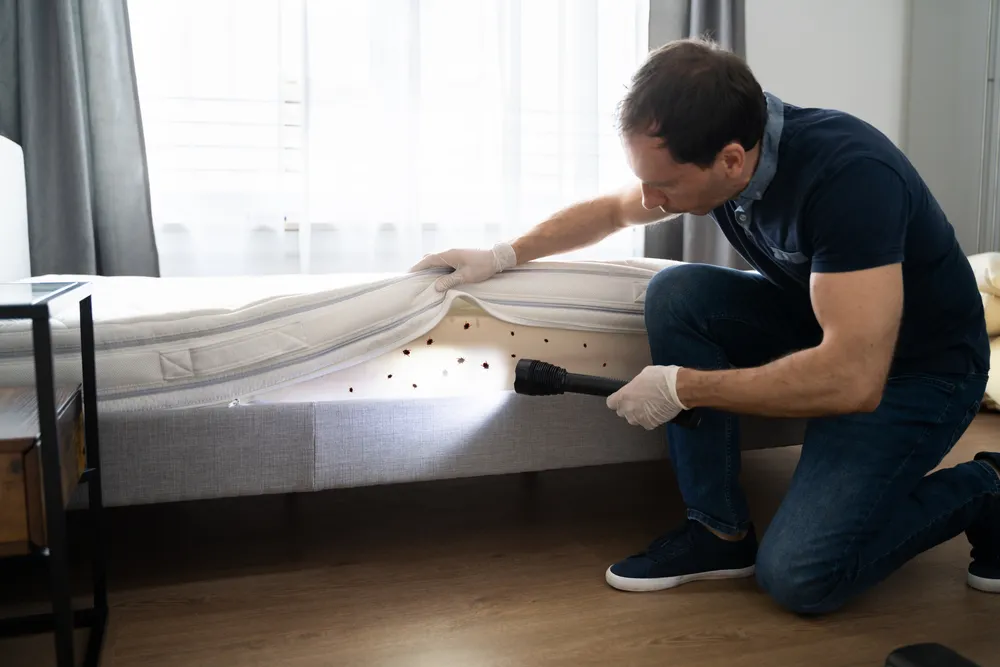
According to HomeAdvisor, removing bedbugs from your home can cost between $300 and $5,000, depending on the size of your room and the severity of the infestation. Unfortunately, most tenants cannot rely on their renters insurance to help with these expenses.
Does renters insurance cover bedbugs?
Overall, the answer is no. Most renters insurance policies do not cover bedbugs (with a few exceptions).
This is because renters insurance is intended to cover abrupt and unforeseen events like a fire or hurricane. Most plans do not cover dealing with bedbug, mouse, or other vermin infestations because they are considered part of home maintenance.
Extermination isn’t the only charge your coverage does not cover. Renters insurance, for example, would not replace an infested mattress that cannot be recovered or pay for hotel expenses if you need to relocate for a few nights.
If you need bedbug protection, you have a few options. Jetty includes a “Bedbugs Power-Up” in all of its rental conditions. This coverage will pay $300 toward the cost of removing bedbugs. However, Jetty renters insurance is only offered to people who reside in the company’s partner residences. Ask your landlord whether this is a possibility.
Some eRenterPlan and ePremium insurance may include bedbug remediation coverage, depending on where you live. However, like Jetty, these rules are only available in participating housing communities.
In some states, Assurant’s renters’ plans cover extermination and other bedbug-related charges.

Is your landlord responsible for getting rid of bedbugs?
In many circumstances, yes, particularly if you reside in a multi-unit structure. However, this depends on your location and the nature of your infestation. The first step is to examine your lease, which may state who is responsible for bug removal.
For example, if you live in a multifamily rental with assistance from the United States Department of Housing and Urban Development, your contract will most certainly make the landlord liable for extermination unless you were negligent in causing the infestation.
Your rights as a tenant
Tenants have some rights under the legal idea of the “implied warranty of habitability.” That means your landlord must provide essential dwelling amenities such as heat, structurally solid walls and flooring, safe drinking water, and no pests.
However, this does not guarantee that your landlord will pay to remove the bedbugs. If there is a clear claim that you brought the pests, you may be liable for the extermination costs.
Say you’ve been living in a single-family rental home for two years, but bedbugs didn’t appear until you returned from an abroad vacation. The odds are that you brought the bugs into your home, and you’ll have to pay to get rid of them.
What if you reside in an apartment building where bedbugs have infested numerous neighboring units? In such circumstances, it may be more difficult to assign fault for the infestation, and the landlord is more likely to pay up.
State bedbug laws
Some areas of the country have implemented specific bedbug regulations. In Colorado, for example, the landlord is required to pay for extermination, but tenants are liable for moving fees and replacing their own items. Florida law compels landlords to remove bedbugs and other pests from rental units other than single-family homes or duplexes.
Check your state and city legislation to see if your landlord is required to foot the extermination price.
Where such regulations exist, tenants must normally report the infestation to their landlord as soon as possible and comply with the exterminator’s requests. For example, you may need to clean up clutter or leave the building while therapy is taking place.
In turn, the landlord is normally required to respond to a bedbug report within a few days and provide adequate warning before the exterminator arrives.
If you and your landlord cannot agree on who should pay for the extermination, or if your landlord refuses to assist at all, you may need to hire a lawyer.
How to get rid of bedbugs
In addition to hiring an exterminator, the United States Environmental Protection Agency offers the following strategies to help rid your home of bedbugs:
- Vacuum fully, then empty the vacuum cleaner bag or canister, shut it tightly, and dispose of the contents in an outdoor container.
- Move your bed away from the wall and make sure the bedding does not touch the floor.
- To eliminate bug hiding areas, remove debris and plug cracks around baseboards and electrical outlets with caulk.
- Protect your mattress and boxspring with a bedbug-proof cover.
- Seal contaminated things in plastic bags, then place them in the dryer and run on high heat for at least 30 minutes.
- Place bedbug interceptors underneath the legs of beds and other furniture.

