

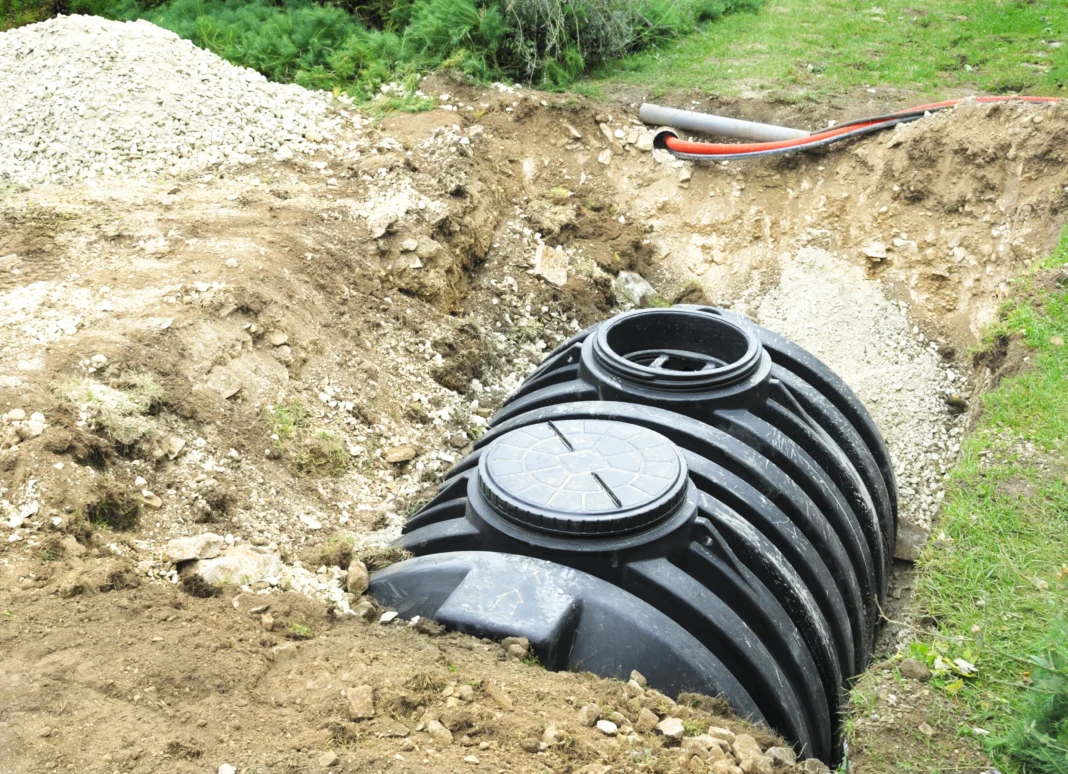
A powerful storm blows over your neighborhood. Lightning hits nearby, and once the storm passes, you realize your septic tank has been damaged. Because home insurance often covers lighting damage, it may pay the expense of repairing or replacing it. However, there are numerous additional sorts of septic tank damage that your coverage does not cover. Here’s what you should know.
Does homeowners insurance cover septic systems?
Your home insurance may cover damage to your septic tank, leach field, and connected pipes if the damage is caused by a policy-covered unexpected, accidental event such as fire, hail, or lightning. However, you should carefully study your policy to ensure there are no exclusions.
Depending on your insurance, your septic tank may be covered by the dwelling part, which protects the physical structure of your home. Alternatively, it could be covered under the other constructions section of your home insurance policy, which includes fences, sheds, and detached garages. Your insurance agent should be able to inform you which coverage is applicable to your septic system.
Other structures coverage is typically 10% of the dwelling coverage limit, so if your dwelling coverage maximum is $350,000, your other structures limit will be $35,000. Check your homeowners insurance declarations page to find out what your specific limitations are.
When you make a claim, your insurance company may dispatch an adjuster to investigate what caused the septic tank damage.
When are septic systems covered by homeowners insurance?
Your homeowners insurance policy will generally cover damage to your septic system if it’s caused by a sudden event your policy covers. These can include:
- Fire, lightning, or hailstorm.
- Snowfall or frigid temperatures.
- Vehicle-related damage.
- Vandalism.
- Falling things.
- Explosions.
For example, if lightning struck your septic tank, it is likely to be covered.
When are septic tanks not covered by homeowners insurance?
Homeowners insurance does not cover many septic system difficulties, including damage caused by:
- Regular wear and tear.
- A lack of maintenance.
- Roots or tree limbs might gradually cause your tank or pipes to fracture.
- Improper installation, such as a septic tank that was not sunk sufficiently deep.
- Flooding or earthquakes.
- Backups caused by flushing the improper items down the drains.
Water backup coverage for septic tanks
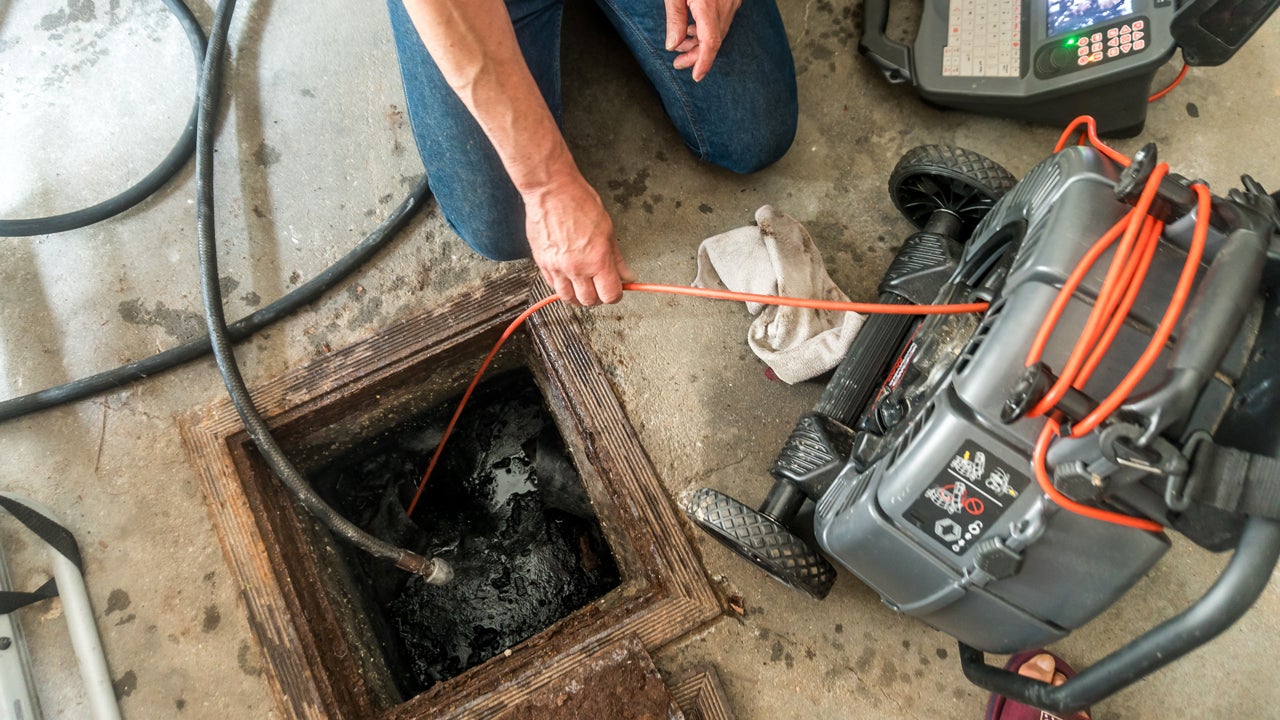
A normal home insurance policy may cover the cost of repairing septic system damage caused by a covered incident, but it will not cover the cost of repairing sewage backup damage. A water backup endorsement, also known as sump discharge or overflow coverage, might help close the gap. This add-on helps cover the cost of repairing damage caused by water backing up into your home via a sewer, drain, or sump pump. It can also help pay for the replacement of any damaged flooring or objects.
Tips for maintaining your septic system
A properly maintained septic system lasts longer and produces fewer problems than a neglected one. The Environmental Protection Agency’s maintenance suggestions can assist prevent damage and costly repairs.
- Inspect and replace the pump every three to five years. Regular pumping reduces sludge buildup and helps to prevent obstructions and backlog. Schedule frequent maintenance visits from a septic service professional.
- Only flush garbage and toilet paper. Do not flush grease, feminine products, diapers, paper towels, or other objects that can clog drains.
- Avoid using strong chemicals. Limit the use of harsh chemicals such as bleach, drain cleaners, and solvents, which destroy beneficial bacteria in your septic tank.
- Reduce your water usage. To avoid overloading your system, repair leaking faucets and put laundry out over several days.
- Keep heavy things out of the drain field to avoid crushing buried pipes. Do not drive or park vehicles on the drain field. This can cause soil compaction and pipe damage. Also, keep an eye out for any trees that may be encroaching on your septic system.

