

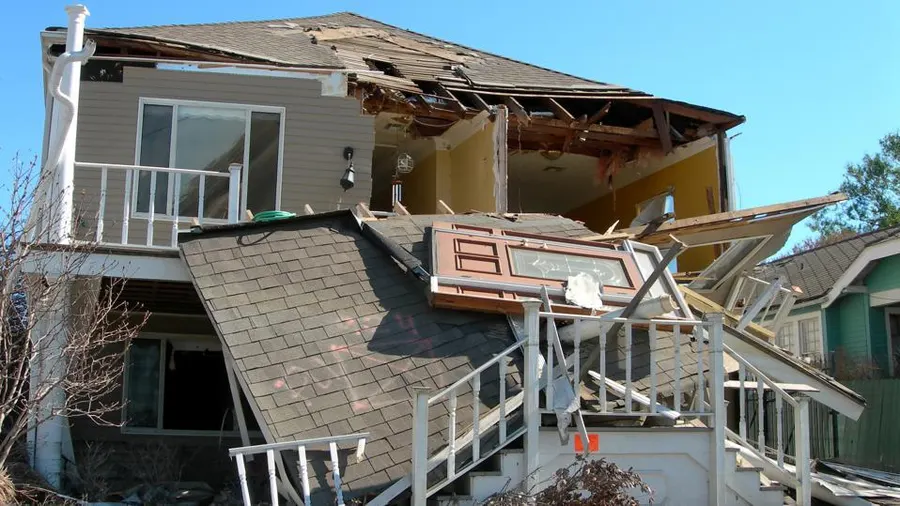
Homeowners insurance can be critical to recovery from a hurricane, snowstorm, or other severe disaster, but you must act fast and understand what your policy covers. Here are four strategies for filing a successful storm damage insurance claim.
Review your homeowners insurance policy
The primary goal is to keep you and your family safe. Once that’s taken care of, Insurance Information Institute spokesperson Mark Friedlander recommends reviewing your homeowners insurance policy to see what it covers. Examine your home’s insurance declarations page to determine what forms of damage are covered and what your policy limitations are.
Key discrepancies within an insurance could cost thousands of dollars. Some insurance, for example, will cover the cost of replacing damaged possessions, but others would merely pay the cash worth. If a burst pipe destroys your 5-year-old television, replacement cost coverage will assist cover the cost of a new, comparable television. Actual cash value, on the other hand, accounts for five years of depreciation and pays only what the insurer believes the TV was worth immediately before it was destroyed.
You should also examine your deductible. A deductible is the amount of a claim that your insurer expects you to pay. So, if a hurricane causes $10,000 in damage to your home and you have a $1,000 deductible, the insurer will pay $9,000 and you will pay the remainder.
Some policies contain a separate deductible for windstorms and hurricanes from the rest of the claims. In such circumstances, the hurricane or windstorm deductible may be expressed as a percentage of your dwelling coverage. For example, if your property is insured for $250,000 and your windstorm deductible is 2%, you’d be responsible for the first $5,000 of windstorm damage.
If anything is unclear, speak with your insurer or agent to ensure you completely understand what your insurance covers.
Report the claim to your insurer
If a storm damages your home and you need to file a claim, contact your agent or insurance provider right once.
“There will be a massive number of claims, so it’s important to file your claim or notify your agent or company as soon as possible,” says David Sampson, president and CEO of the American Property Casualty Insurance Association.
Friedlander believes that technology will help you explain what happened. “Take pictures of it if possible. Video is nice, but at the very least, take images with your phone to document the damage.”
Liz Heigle, Oklahoma Insurance Department communications director, recommends in an email that you should not throw away anything that may affect your claim unless your insurer explicitly authorizes it. She also suggests maintaining a record of everyone you speak with at the insurance company regarding your claim.
Typically, your insurer will send an adjuster to evaluate the damage at your property. Heigle recommends being there for the visit. If you can’t make it, leave a message with your contact information so the adjuster can reach you.
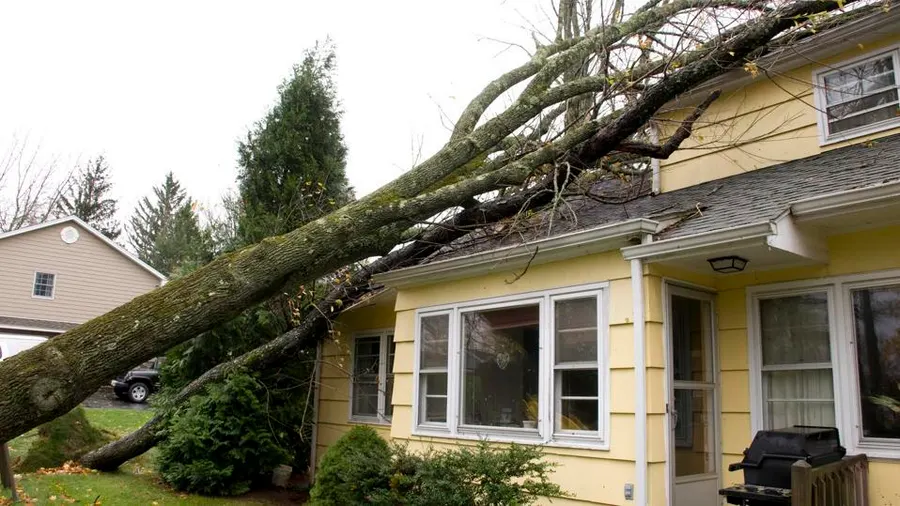
Repair what you can
Once you’ve spoken with your insurer, you can proceed with any necessary repairs.
If, for example, a pipe is leaking water into your home, you do not have to wait for a contractor to arrive to fix the problem. You can make emergency repairs without losing insurance coverage as long as you agree on the actions to take with your insurance company.
Keep track of all your spending while doing repairs. Anything you buy to address the problem will most likely be covered under your claim.
If the damage has rendered your home uninhabitable, you may need to temporarily relocate. Your insurance carrier will normally pay for your increased living expenses while you are displaced, but there may be coverage limits and other restrictions. Discuss this with your insurer, and retain any receipts for hotel stays, restaurant meals, and other expenses.
Beware of fraud
Insurance fraud is a widespread issue following severe storms. Unscrupulous contractors take advantage of people’s desperation by exaggerating costs or accepting payment in advance and failing to complete a task, among other methods.
“Money will come in from the federal government, insurance, or a combination of the two, and the fraudsters know it,” says David Glawe, president and CEO of the National Insurance Crime Bureau.
The NICB recommends the following tips to avoid scams after a storm:
- Before deciding on a contractor, obtain quotations from several and verify their credentials.
- Use care when dealing with anyone who comes to your door looking for business.
- Request a detailed written contract without any blank spots.
- Aside from a reasonable down payment, do not pay for the job until you have inspected it and ensured that it is completed to your specifications. Instead of paying in cash, use a check or credit card.

