

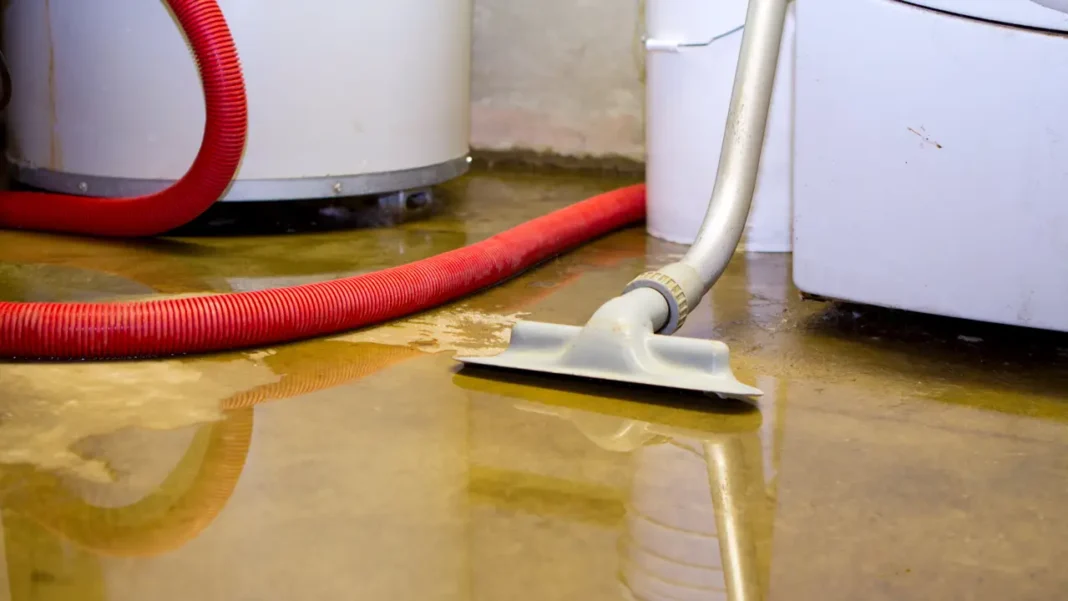
A dishwasher that leaks. A ruptured pipe. A heavy rainstorm. Any of these could result in water damage in your property. In fact, the Insurance Information Institute estimates that around one in every sixty insured houses will file a claim for water or freezing damage each year.
However, a conventional homeowners insurance policy will not cover all types of water damage. Here’s a breakdown of what’s covered, what’s not, and how to get the most of your claim.
Does homeowners insurance cover water damage?
Home insurance coverage often covers abrupt and accidental water damage caused by burst pipes or failed appliances. It normally does not cover water damage caused by flooding or a lack of upkeep.
Depending on whether areas of your property are affected, you may be covered by two components of your policy:
- Dwelling coverage compensates for damage to your home’s structure, which includes the roof, walls, and floor.
- Personal property coverage provides for the repair or replacement of your things.
You will be covered up to the limitations indicated on your policy’s declarations page, minus your deductible.
The following are some common sources of water damage and how your homeowners policy may be able to help.
Appliance failure
Homeowners insurance often covers water damage caused by an appliance that fails unexpectedly, but it does not cover the cost of replacement. You will normally not be covered if the failure is caused by natural wear and tear or a lack of maintenance on your part.
Assume your water heater develops a leak, causing water to pour across your basement floor. As long as you have properly maintained the water heater, your home’s insurance will most likely cover the water damage. For example, it could cover the cost of new flooring and the replacement of damaged furniture. However, unless you have added equipment breakdown coverage to your insurance, repairing or replacing the water heater will not be covered.
Equipment breakdown coverage is an endorsement that pays for the repair or replacement of heating, ventilation, and air conditioning systems, as well as large appliances, if they fail electrically or mechanically.
Leaks
A homeowners insurance policy may provide coverage for water damage caused by unexpected leaks. However, it does not cover damage that occurs over time or that might have been avoided with regular maintenance.
For example, if a severe windstorm rips some shingles off your roof, producing a leak, the new shingles and any related water damage will most likely be covered. Storms are unexpected and unpredictable, and wind is covered by most home insurance policies unless you live in a high-risk coastal area.
However, if your 18-year-old roof begins to leak due to wear and tear over time, your homeowners insurance would most likely not cover it.
The same goes for leaking windows and plumbing. That gradual drip under the sink is unlikely to be covered, but damage from a frozen and burst pipe most likely is. (Keep in mind that your policy will normally not cover the cost of repairing the pipe, only the subsequent damage.)
Backed-up drains and sewer lines
A sewer line backs up, resulting in an unpleasant odor in your bathroom. Are you covered? Unless you’ve added water backup coverage to your homeowners policy, the answer is most likely no. This is often the same endorsement that covers damage caused by a failed sump pump or backed-up septic tank.
Rain and Flooding
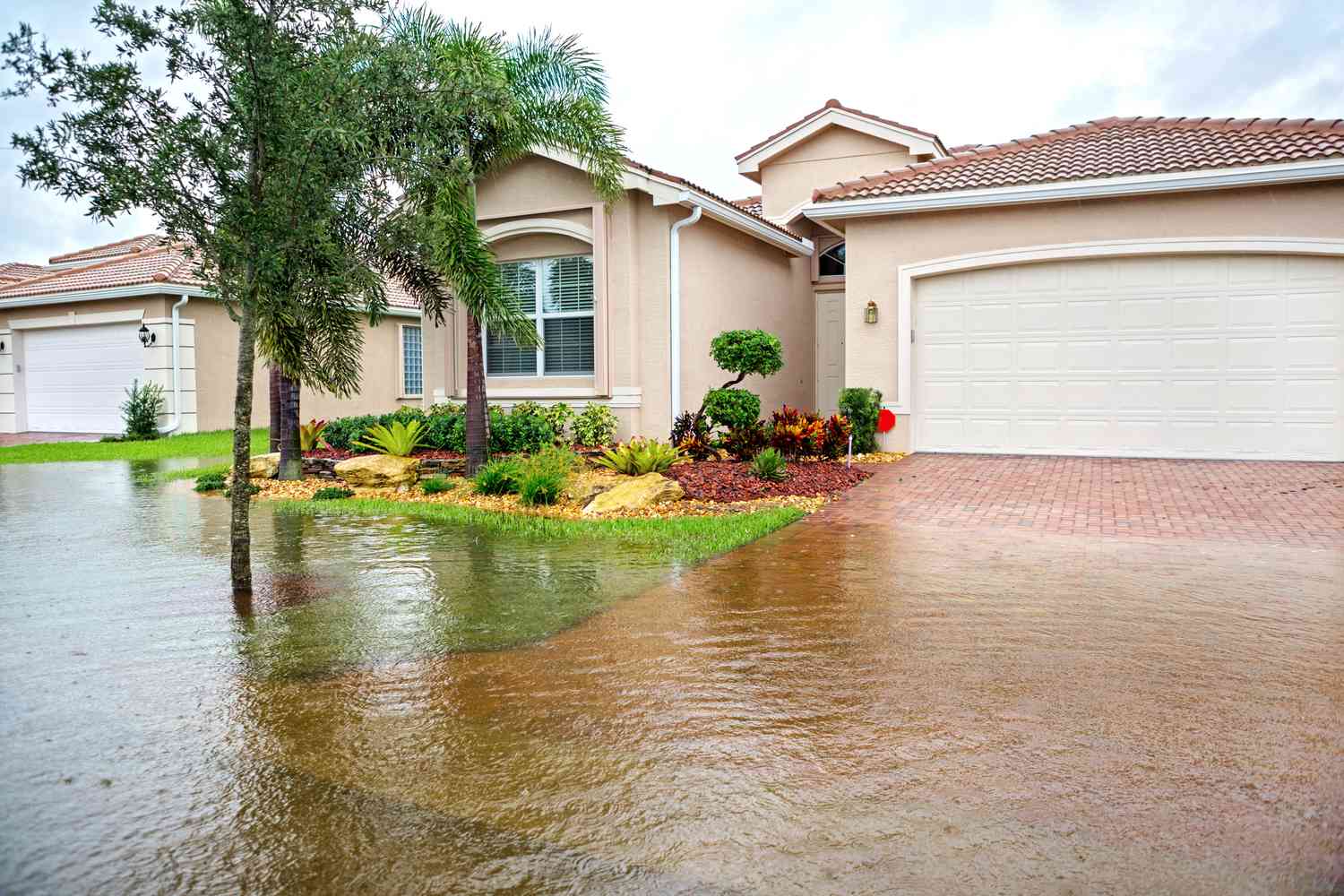
Flood damage is not covered by a typical homeowners policy; instead, you must purchase supplemental flood insurance. Flooding could occur as a result of a river overflowing, a downpour so heavy that the ground cannot absorb it, or a hurricane-force storm surge.
In some cases, a standard homeowners policy may cover water damage caused by rain. For example:
- A tree is blown onto your roof by strong winds, damaging several shingles and allowing rain to enter the top story.
- A large piece of hail breaks your window, and rain gets in through the shattered glass.
Putting out a fire
Suppose your kitchen catches fire. Firefighters respond swiftly and prevent the fire from spreading to the remainder of your home. However, the water from their hoses can do significant damage to your floor and cabinets.
Your homeowners policy will most likely cover any damage caused by fire and smoke, as well as water damage from putting out the fire.
What about mold from water damage?
According to the Federal Emergency Management Agency, mold can emerge in as little as a day or two following water damage. If your homeowner’s insurance covers the water damage that created the mold, it may also cover the removal costs. So, if mold started growing after a pipe burst, you might be covered. If the mold was caused by a flood, you most likely would not.
Should you file a water damage claim?
Even if you believe your water damage is covered, filing a claim is not always straightforward. If the damage is modest, the insurance company may not pay you much after subtracting your deductible. And if your insurance provider boosts your rate because you filed a claim, you may end up having to pay that amount back.
Some insurance providers may refuse to renew your policy if you file multiple claims in a short period of time. So, for small water damage, you could be better off paying for repairs yourself—especially if you’ve made prior claims in the last five to seven years.
How to file a water damage claim
Once you’ve decided that a claim is worth submitting, there are a few important steps to follow.
Prevent additional damage. As soon as you find the problem, act swiftly to prevent it from worsening. This could entail turning off the water in that area of the house or dehumidifying the space to prevent mold growth.
Promptly file your claim. The sooner you contact your insurance carrier, the sooner they can reimburse you. Depending on your insurance, you may be able to submit a claim online, over the phone, or through the company’s mobile app.
Document the damage. Before you begin any cleanup or repairs, take photos and/or video of the damage. To be reimbursed for your ruined personal possessions, your insurer will most likely want an inventory.
Make a temporary repair. While you should avoid scheduling large repairs until your insurance adjuster has assessed the damage, you can take basic precautions to preserve your house. For example, putting a cover over a leaky roof can keep more water out, and removing a damp carpet can prevent mildew from forming. Keep receipts for all purchases because your insurer may reimburse you for them.
How to prevent water damage in your home
To avoid water damage claims altogether, follow these guidelines:
- Clean your gutters and downspouts on a regular basis, and consider installing gutter guards to keep leaves and debris out.
- To avoid burst pipes throughout the winter, keep your thermostat set to at least 55 degrees. If you have a crawl area, shut the vents and insulate any pipes that pass through it. Turn off the water supply to the outdoor faucets, empty the lines, and cover them.
- Check important appliances, especially hoses and pipelines, on a regular basis for leaks and other damage, and fix them as soon as possible. You should also check your roof for damaged shingles.
- Know where your home’s main water shutdown valve is and how to operate it in an emergency. (If you are doubtful, consult a plumber.)
- Consider employing smart-home technologies to detect and notify you of any concealed leaks.

